Song Meaning
The lyrics paint a picture of a complex, perhaps codependent relationship where one person finds a strange solace in another's controlling or even harmful actions. The opening lines, "Thank you for singing my chains / When I couldn't sleep," immediately establish a tone of gratitude for what appears to be confinement, suggesting a desire for stillness or escape from internal turmoil. This gratitude is echoed in "Thank you for chaining me to the bed / That was sweet," framing a potentially disturbing act as a tender gesture. The repeated plea, "Sing me to sleep," underscores a yearning for oblivion or peace, whatever the cost.
The central tension lies in the narrator's fluctuating perception of their "sad brother / sunny lover." This duality suggests an unpredictable partner whose presence is simultaneously comforting and destabilizing. The narrator questions their worth and effort, asking "How much are you worth / Or do you work" and later "How hard do you work / Or do you." This uncertainty reflects the narrator's own wavering emotional state, described as "Sometimes you're so heavy / Sometimes I don't feel you at all." The search for a "lightswitch" and the mention of "Seconal" point to a struggle with consciousness and a desire to disengage from reality, particularly from a "party" where they feel powerless.
The lyrics employ a striking contrast between external control and internal surrender. The act of being "chained to the bed" and having "cuffs in your pocket / Around my wrist" are met with a passive acceptance, even a feigned resistance: "I'll even let you pretend / That I didn't resist." This suggests a resignation to the dynamic, where the narrator finds a perverse comfort in being subdued. The repeated refrain "Sing me to sleep" becomes a mantra for escaping the complexities of the relationship and their own thoughts, especially when the partner's "talking crap" or "talking crazy" has the effect of putting them under.
What makes these lyrics so potent is their unflinching portrayal of a relationship where dependency masquerades as affection, and control is perceived as care. The narrator’s gratitude for "chains" and the partner's ability to induce sleep through "crap" or "crazy" talk highlight a profound emotional exhaustion. The effectiveness comes from the raw, almost detached way these disturbing elements are presented, forcing the listener to confront the uncomfortable reality of finding peace in surrender, even when that surrender involves being bound.
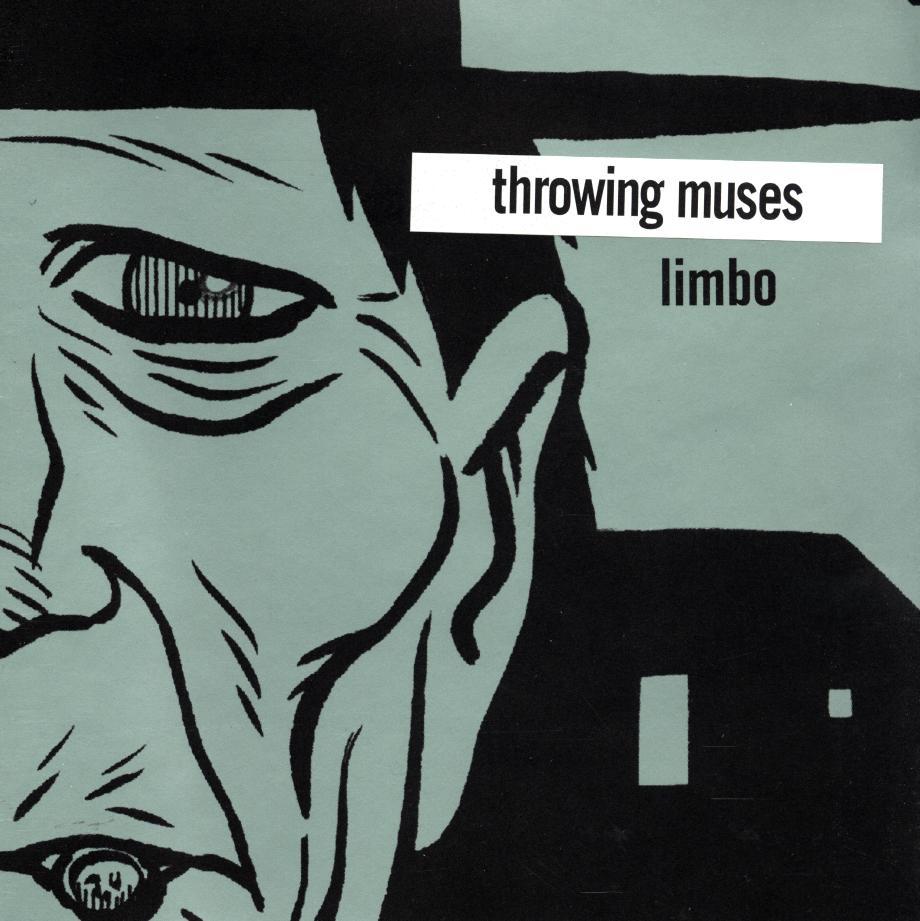
 View Artist