Song Meaning
The lyrics open with a weary return, "10,000 miles" driven only to land "In our hometown." This immediate paradox sets a tone of existential questioning. The speaker grapples with finding peace, asking if it lies in lofty thought or grounded reality. A "Saving Grace" is introduced, seemingly at odds with modern life.
A deep tension emerges between attachment and release, accumulation and giving. The image of someone "18 with a bottle of water" and the stoic "face of Gibraltar" paints a picture of youthful resilience, perhaps a past self or a significant other. This youthful strength contrasts with later questions about possessions: "How many trunks of your goods? How many goods do you give away?" The lyrics suggest a struggle to reconcile what one holds onto versus what one lets go.
The speaker's intense focus on another's past—flipping back through calendars, books, and childhood memories—reveals a profound yearning to revisit or understand. This desire is articulated as an attempt to "move in your direction against the grain of time," a poignant, almost impossible wish to reverse or defy the natural flow. It's a powerful image of trying to reclaim or relive moments, driven by a deep emotional pull.
The lyrics' power lies in their unflinching portrayal of contradictory human experience. The desperate plea to "pray to science and history Like cancer doesn't grow" highlights a yearning for control over life's uncontrollable elements, immediately followed by the stark, almost self-defeating "Worship and forget you." This internal conflict culminates in the visceral image of "holding on to what we've made / As it drags us by the legs across the living room," making the burden of attachment painfully tangible. The final lines, "Put the children to bed / For a good night For tomorrow," offer a weary, yet hopeful, return to the present, suggesting a cycle of struggle and quiet perseverance.
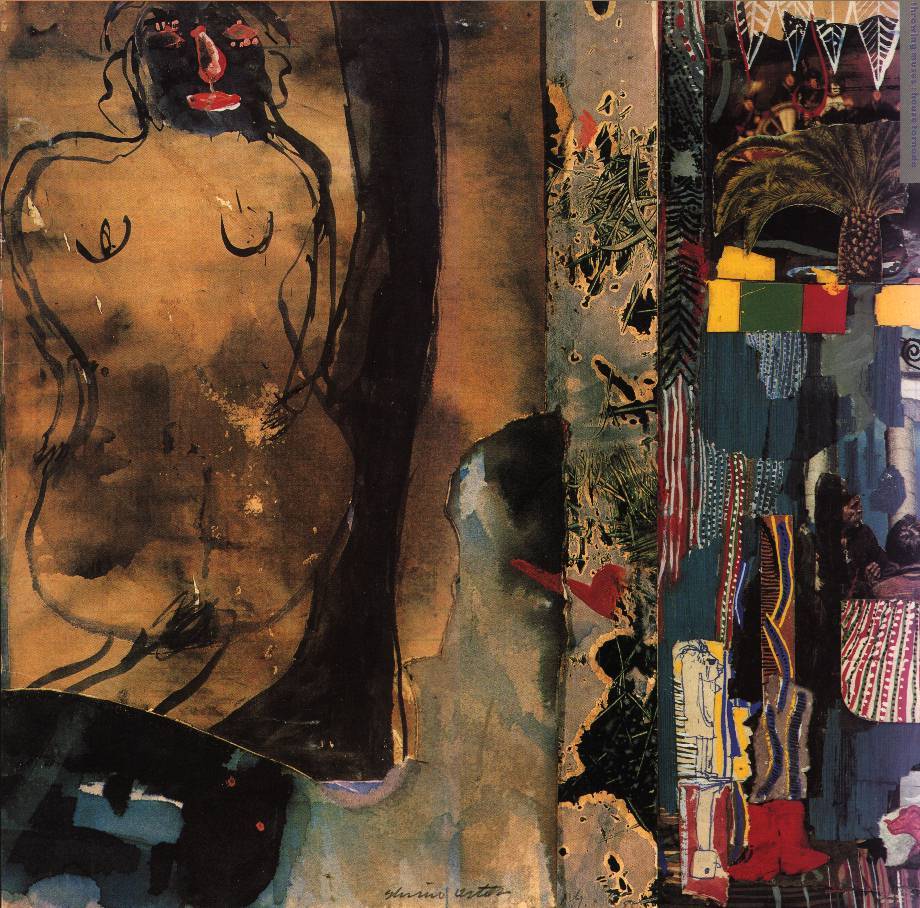
 View Artist