Song Meaning
The lyrics paint a stark picture of someone confronting a detractor, someone perceived as utterly hollow and driven by malice. The narrator anticipates enduring this animosity until their final moments, seeing "hate" as a constant companion. This "hate" is contrasted with the detractor's perceived "honor," which the narrator dismisses as devoid of genuine feeling or consequence, suggesting a life lived and ended with "no heart, no shame."
The central tension arises from the narrator's intimate knowledge of the detractor, claiming to know them better than they know themselves. This insight fuels a demand for honesty: "So now speak the truth." The narrator is clearly incensed by the detractor's actions, particularly their perceived exploitation of the narrator's name for attention and their cowardice in confronting the narrator directly. The lyrics suggest a deep-seated contempt for someone who lives a parasitic existence, leeching off another's identity.
The repeated phrase "Speak the truth" acts as a powerful, almost desperate, command, underscoring the narrator's frustration with deceit and misrepresentation. The imagery of the detractor being "starved for attention" and mocking the narrator's name highlights a desperate need for validation, achieved through destructive means. The stark declaration that the detractor is "hollow in your heart from birth to the grave" emphasizes a profound, almost existential emptiness that the narrator perceives as the detractor's defining characteristic.
This lyrical confrontation is effective because it grounds its anger in specific accusations of shallowness and deceit. The narrator’s certainty, their claim of superior self-knowledge, and the visceral disgust expressed towards the detractor's attention-seeking behavior create a potent emotional charge. The relentless focus on the detractor's emptiness and the demand for truth make the narrator's perspective feel intensely personal and unyielding.
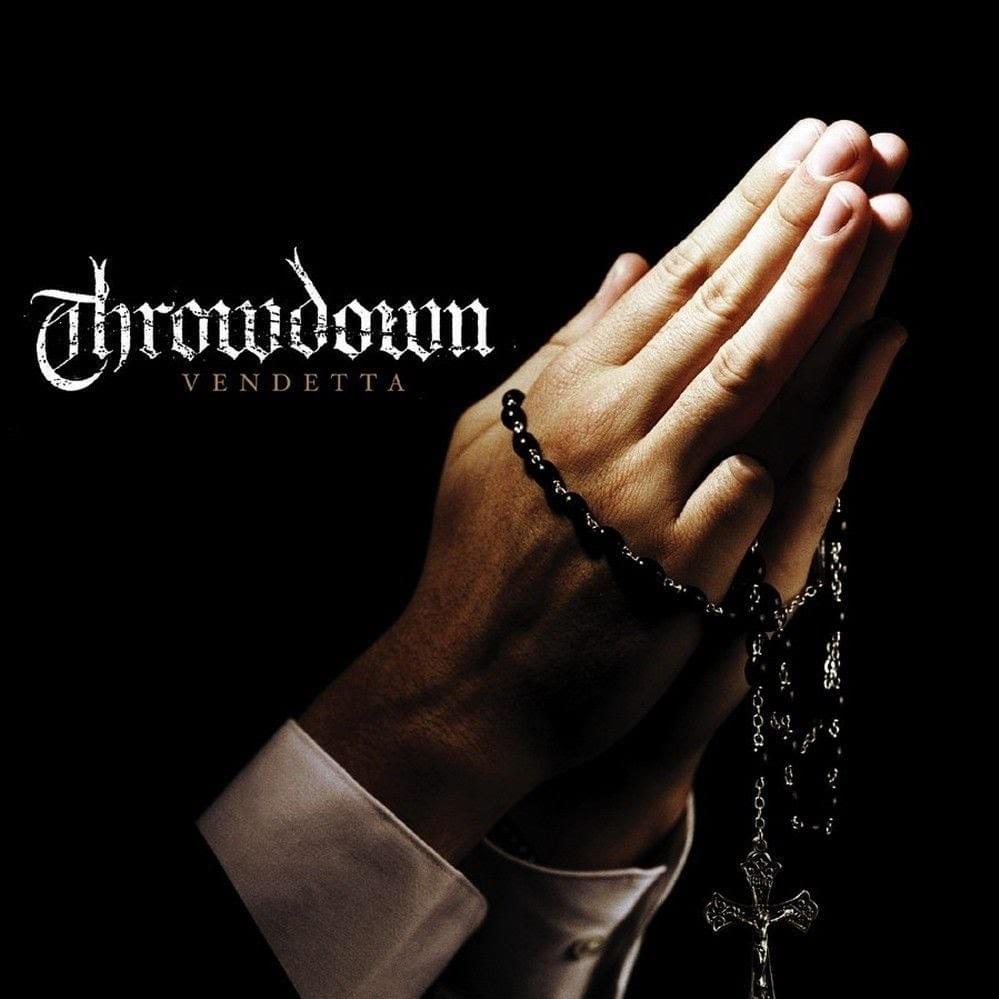
 View Artist