Song Meaning
The lyrics open with a chilling declaration of vengeance. A speaker promises to "carry out my judgment for your filth." But this self-appointed justice quickly turns back on its architect. The initial threat becomes a shared, grim reality.
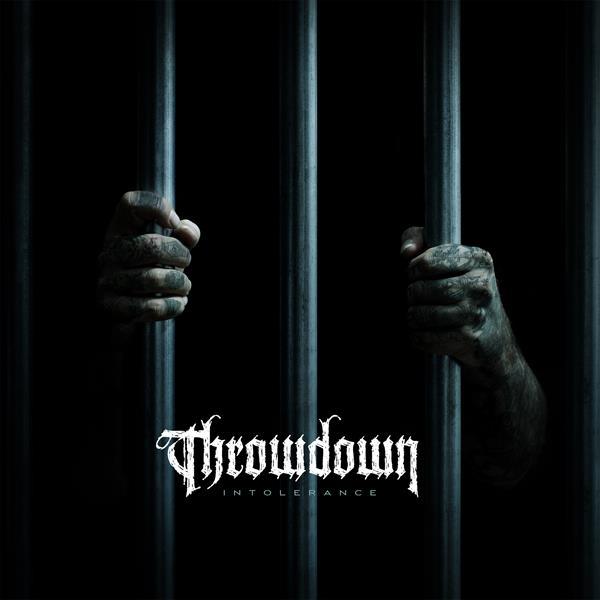
The core tension here is the swift, brutal reversal of fortune. The speaker, initially the dispenser of judgment, finds themselves trapped by its consequences. The shift from "watch them carry you away" to "now I carry out my days in my cell" is a gut punch. This isn't just about punishing another; it's about the inescapable nature of judgment, even for the one who wields it. The lyrics suggest a world where no one truly escapes the "hammer to fall."
The genius of these lyrics lies in the subtle yet devastating shift in the repeated chorus. Initially, "Judgment awaits you in your grave" and "You're living on borrowed time" are directed outward. However, the second chorus pivots sharply: "Judgment awaits me in hell" and "I'm living on borrowed time now." This isn't just a change of pronouns; it's a complete re-framing, revealing the speaker's own downfall and the bitter irony of their situation. The same fate they wished upon another now looms over them.
This structural sleight of hand makes the lyrics incredibly effective, forcing a re-evaluation of the speaker's initial righteous fury. It suggests that acts of extreme judgment often come with their own heavy price. The shared "borrowed time" and the omnipresent "hammer to fall" imply a grim cycle where the roles of punisher and punished are fluid, and ultimate judgment is inescapable for all, even those who believe they are above it. The piece leaves a lingering sense of bleak, inescapable consequence.
 View Artist