Song Meaning
The lyrics paint a grim, apocalyptic tableau, setting a scene of utter devastation. We're immediately plunged into a world under "constellations of ruin" and "cruelest crescents," where troops, described chillingly as "hollow troops of Yersinia pestis," march with a "pearly tearflow." This imagery establishes a tone of inevitable, almost artistic, destruction, framing nature itself as a "misanthropic art" orchestrating human demise. The narrator seems to be observing a procession of doom, where even the stars bear witness to this bleak landscape.
The central tension arises from the "warprophet's dreams," which are not visions of peace but of "triumphants of desolation." These dreams are populated by nightmarish swarms – a "dreamswarm of locusts" and an "armada of dragonflies" – that serve as harbingers of a meticulously designed end. The lyrics present this destruction as "Natures gift," a "sweet kiss / Of the death elemental," suggesting a perverse, perfect design for humanity's downfall. This elevates the conflict beyond mere warfare to a cosmic, almost spiritual, pronouncement of doom.
The most striking craft element is the personification of death and destruction as a deliberate, almost beautiful, force. The "warprophet" doesn't just predict war; he dreams of a perfect, naturalistic extermination. The "Assailants of tomorrow" are described with chilling detail: they ride in "silent rows," wear "emblems of sorrow," and have eyes "empty as their black hearts." Their "armours hammered / From the fallen stars" connects their destructive power to the celestial, reinforcing the idea of a grand, cosmic plan for annihilation. This juxtaposition of natural imagery with military procession creates a profound sense of dread.
What makes these lyrics so effective is their unflinching commitment to a bleak, almost fatalistic, vision. The language is stark and evocative, using words like "ruin," "cruelest," "hollow," and "desolation" to build an oppressive atmosphere. The idea that death is a "perfect design" and that destruction is a "sweet kiss" is deeply unsettling, forcing the listener to confront a vision of nature not as nurturing, but as a force of absolute, indifferent finality. The lyrics don't offer comfort; they present a chillingly beautiful, meticulously crafted prophecy of the end.
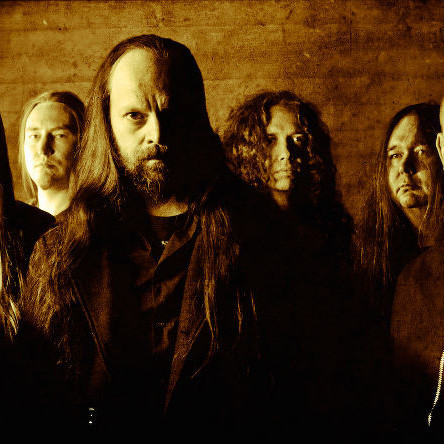
 View Artist