Song Meaning
The lyrics paint a picture of a profound, almost violent, release from a past self. The narrator feels "set free" but it's a freedom found in a "Lethean sea," a mythological river of forgetfulness. This isn't a gentle transition; it's a forceful "burning away" of identity, leading to "oblivion." The imagery suggests a desire for complete erasure, a shedding of all prior existence.
The central tension lies in the paradoxical nature of this liberation. While framed as freedom, the experience is described with unsettling sensory details: a "touch of your ultimate void," a taste of "medicine and foul rooms," and the "black sleep." This suggests that the escape from suffering comes at the cost of a potentially sterile or even unpleasant state of non-being. The promise of a "different" and "painless" future within this void highlights the narrator's desperation to end a current, unnamed pain.
The most striking aspect is the personification of this oblivion, referred to as "you." This "you" offers the ultimate escape, a "black sleep" that will make "it soon be over" and "painless." The language shifts from the active "burning away" to a passive acceptance of this external force, implying a surrender to something that promises relief but feels inherently alien and perhaps even dangerous. The contrast between the desire for freedom and the grim, medicinal imagery of the void is particularly potent.
Ultimately, these lyrics resonate because they tap into a deep-seated human desire for escape from overwhelming pain, even if that escape means ceasing to be. The stark, almost clinical descriptions of oblivion, juxtaposed with the raw emotional need for it to be "painless," create a powerful and unsettling portrait of surrender. The craft lies in its ability to make the abstract concept of forgetting feel viscerally real and deeply, if grimly, desirable.
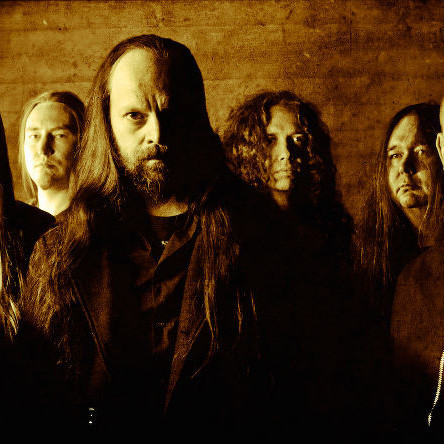
 View Artist