Song Meaning
The lyrics paint a stark picture of a parent, separated for four decades, contemplating a reunion with their son. There's an immediate sense of distance and concern, with the narrator wondering if the son is "worn down, fear Tokyo." This sets a tone of apprehension, suggesting a complex and perhaps troubled past or present for the son in this foreign environment. The repeated refrain, "Oh my son how you've grown / I'll soon be on my way / The craft is in the making / We'll soon be on our way," carries a dual weight: it expresses a parent's longing and anticipation for reunion, but the phrase "the craft is in the making" hints that the journey or the reconciliation itself is not yet complete or perfected.
The core tension lies in the contrast between the parent's desire for connection and the implied difficulties or dangers of the son's environment. The "industry made from what you see / Made from what you are" suggests a world that shapes and potentially consumes its inhabitants, a place where people "come undone." This industrial landscape, possibly a metaphor for Tokyo itself or the pressures of modern life, seems to be the force that has kept the parent and son apart and may have impacted the son profoundly. The narrator's observation that "they can make it there" is undercut by the immediate follow-up, "I've seen them come undone," highlighting a precarious existence.
The concept of "Tokyo static" emerges as a powerful, almost personified force. It "finds no remorse" and is "there for us" in a way that implies an inescapable, indifferent presence. The static seems to represent the overwhelming, impersonal nature of the city or the system, a force that offers no control and leaves "no one home." This imagery of static, a disruption of clear signals, effectively communicates a sense of confusion, isolation, and lack of genuine connection, mirroring the narrator's anxieties about their son and the environment he inhabits.
Ultimately, these lyrics resonate because they capture the profound ache of lost time and the anxious hope for repair. The writing crafts a palpable sense of distance, not just geographical but emotional, through its focus on the son's potential struggles and the impersonal, overwhelming nature of "Tokyo static." The narrator's journey towards reunion is presented as a delicate process, "in the making," leaving the listener with a lingering sense of uncertainty about whether the connection can truly be re-established against such powerful, indifferent forces.
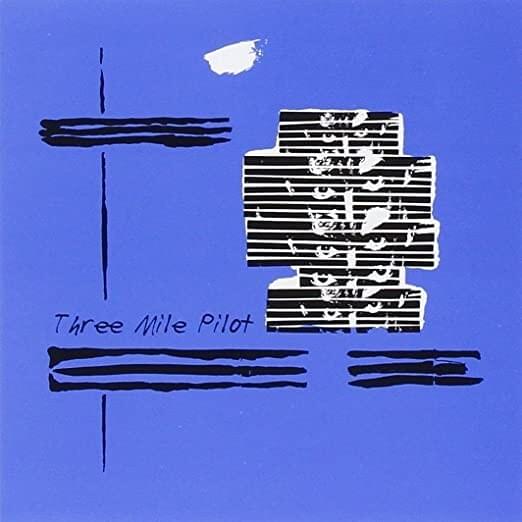
 View Artist