Song Meaning
The lyrics paint a picture of passive observation and regret, suggesting a life lived waiting for something that never arrived. The repeated phrase "All along this life there were the signs" establishes a tone of missed opportunities and a dawning realization that the path forward was always visible but unheeded. This sets up a central tension between acknowledging the past and the present state of inaction.
The core emotional conflict seems to stem from a profound sense of wasted time. The stark contrast between "waited for days" and "wasted for days" highlights this regret, implying that the waiting itself became the act of wasting. The insistent, almost desperate repetition of "What else were we waiting for?" underscores a feeling of being trapped in a cycle, questioning the purpose of their prolonged stasis.
The most striking craft element is the relentless repetition, particularly of "It's a far off dream." This phrase, repeated multiple times, transforms from a simple statement into an anthem of deferred hope or perhaps an acknowledgment of unattainable desires. It creates a hypnotic, almost resigned feeling, mirroring the narrator's apparent inability to break free from their current state. The simple, declarative nature of "No you can't stop the day / And you can't stop the night" further emphasizes a lack of control over the passage of time.
These lyrics hit hard because they tap into a universal feeling of looking back and seeing a different path that could have been taken. The straightforward language and insistent rhythm create a mood that is both melancholic and introspective. The final lines, "It's a long way home / It's a far off dream," encapsulate the lingering sense of distance from a desired state or destination, leaving the listener with a powerful feeling of unresolved longing.
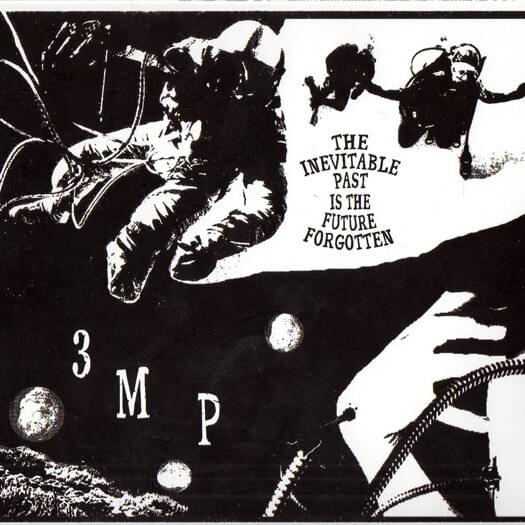
 View Artist