Song Meaning
The lyrics paint a portrait of a mysterious, almost predatory figure, the "loner." He's described as a "perfect stranger," a "feeling arranger," and a source of "unforeseen danger." This initial description establishes a sense of unease and unpredictability, hinting that his presence is not benign but rather carries an inherent risk. The imagery of him being the "keeper of the key to the locks" suggests he holds control or access to something hidden, further amplifying his enigmatic nature and the need to "step aside, open wide."
The central tension lies in the loner's unsettling observational habits and his deep-seated need for connection, which manifests in a way that isolates him further. His behavior on the subway, watching people until he "knows who you are," is not just passive observation but an intense, almost possessive form of recognition. The fact that he knows when someone leaves "alone" implies a shared experience of solitude or a keen awareness of others' departures, suggesting a profound loneliness that drives his interactions. This creates a paradox: he seeks to know others, but his method alienates them and reinforces his own isolation.
The most striking aspect of the craft is the juxtaposition of his elusive, almost animalistic description ("cross of himself and a fox") with his profound emotional vulnerability, revealed in the final verse. The story of the woman he knew, who had "something that he needed," and his desperate plea for her not to go, highlights a past attempt at connection that ended in devastating loss. His subsequent "death" that "did not show" is a powerful metaphor for the emotional shutdown that likely followed, cementing his status as the unfreeable loner. This contrast between his outward persona and inner devastation is what gives the character depth and pathos.
These lyrics resonate because they tap into the universal fear of the unknown combined with the quiet tragedy of profound isolation. The narrative builds a sense of apprehension around the loner, only to reveal a core of deep hurt and unfulfilled need. The writing effectively uses evocative, slightly unsettling imagery to create a character who is both feared and, by the end, perhaps pitied. The repeated refrain, "Know when you see him, nothing can free him," becomes a somber acknowledgment of his self-imposed or fate-driven solitude.
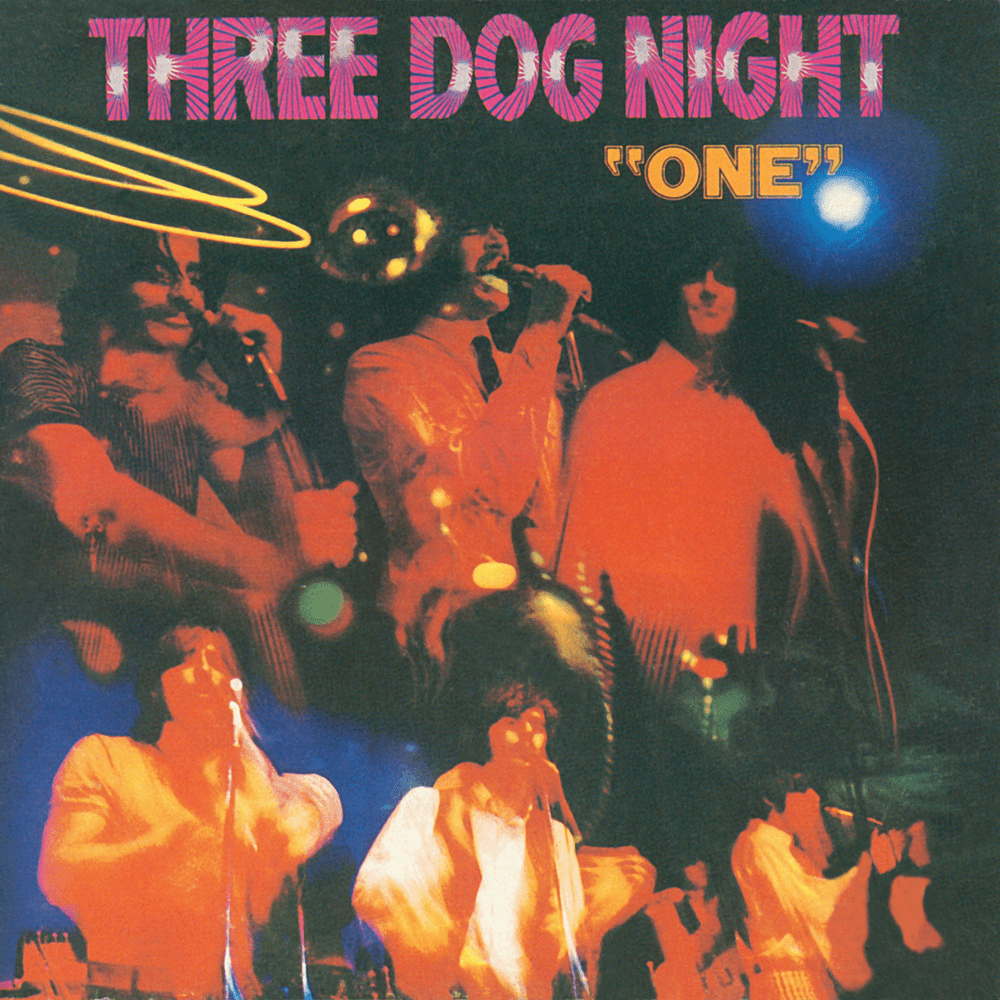
 View Artist