Song Meaning
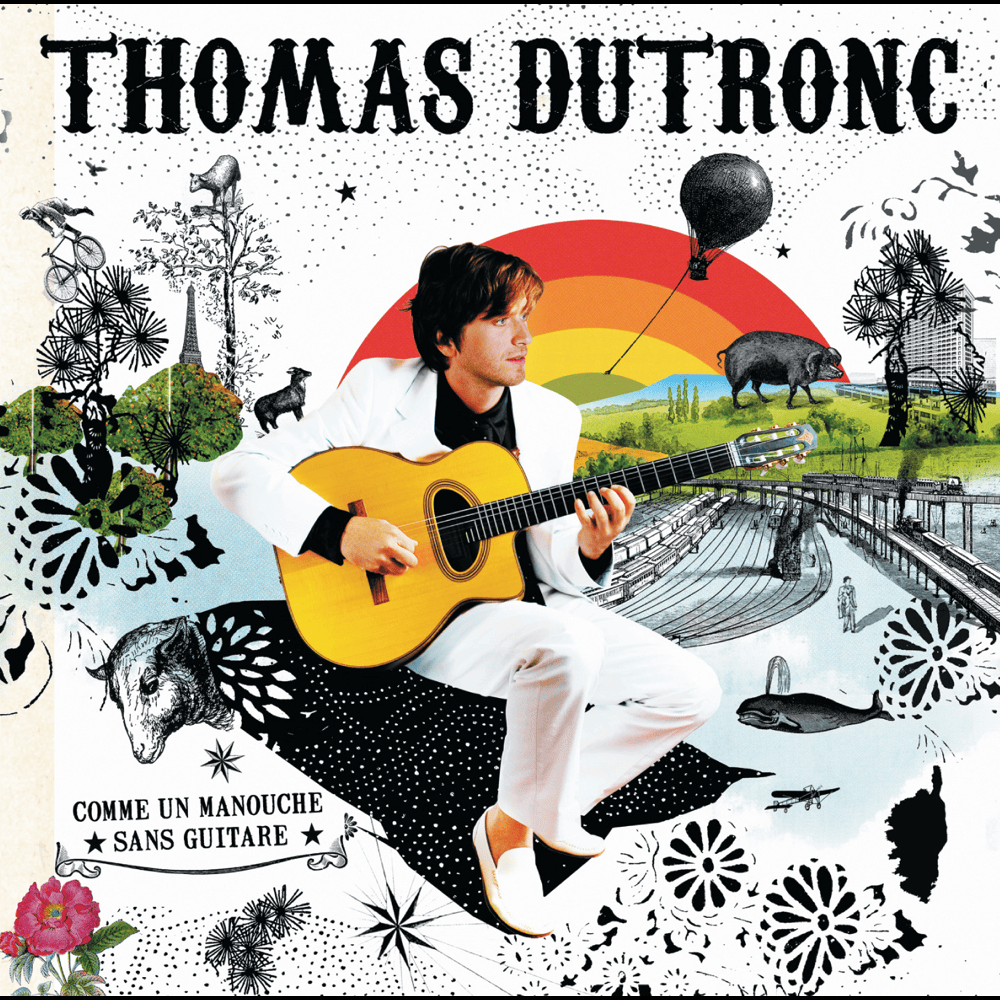
The lyrics paint a picture of a transient, free-spirited musician embracing the present moment. The opening lines establish a serene, almost nomadic mood with "Un coude en l'air, la lune fidèle" and the feeling of being "tsigane." This sets the stage for a narrator who finds joy in simple observations, like a passing "fleur d'été," and openly declares their outsider status with "j'suis pas d'ici, j'suis musicien."
The central tension lies in the narrator's fluctuating self-perception and their relationship. They swing between feeling like "le roi" and "le chien," highlighting a vulnerability beneath the bohemian exterior. This duality extends to their interactions, where declarations of intimacy ("On se dit tout") are immediately undercut by a sense of superficiality ("tout, en fait, c'est rien du tout"). The narrator cherishes the partner's "silences" and "rêves immenses," suggesting a desire for depth that contrasts with the fleeting nature of their own existence.
The most striking craft element is the recurring motif of being "thrown into the water" ("J'me jette à l'eau" / "Tu m'jettes à l'eau"). This phrase captures both the narrator's proactive embrace of life's unpredictability and the potential for being overwhelmed or pushed by external forces, possibly within the relationship. The juxtaposition of "Une caresse, une ivresse, un solo" with "Une caresse, une ivresse, un seau d'eau" starkly illustrates this shift from personal indulgence to a more jarring, perhaps unwelcome, immersion.
Ultimately, the lyrics resonate because they capture the bittersweet essence of a life lived on impulse and artistic pursuit. The narrator's acceptance of their own mercurial nature, their desire for connection despite their rootlessness, and the intoxicating blend of freedom and potential chaos make this a compelling portrait of a soul adrift. The playful, yet poignant, final lines about mojitos and bedtime ("j'vais m'coucher tard" vs. "j'vais m'coucher tôt") perfectly encapsulate this delightful uncertainty.
 View Artist