Song Meaning
Thomas D's "Prolog 11.0" functions as a potent, almost theatrical overture, setting the stage for a deeper exploration of humanity's failings and the role of the artist within it. The spoken-word delivery, devoid of traditional musicality, immediately commands attention. The opening lines lament humanity's apparent amnesia regarding heroism, a pointed critique of societal apathy and the abdication of personal responsibility. Thomas D isn't offering himself as a savior; rather, he embodies the "Pausenclown," a jester whose existence is paradoxically sustained by both the audience's amusement and threatened by their disdain. This duality speaks to the precarious position of the artist, forever walking a tightrope between relevance and obsolescence. The song meaning lies in this reflection of society's own fractured image.
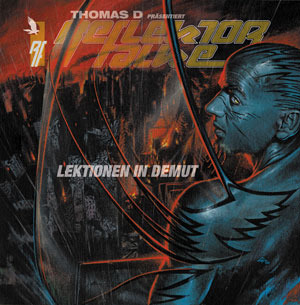
"Prolog 11.0" isn't simply a self-portrait of the artist; it's a mirror held up to the listener. The declaration that "Am Ende jedoch werdet Ihr sehen, dass es auch eure Geschichte ist" implicates the audience in the artist's fate and, by extension, in the broader narrative of societal decline and potential redemption. Thomas D casts himself as "Reflektor Falke," a figure capable of reflecting back the truths that humanity often chooses to ignore. This metaphor suggests a crucial function: to expose uncomfortable realities and provoke introspection. The title, "König der Narren," further solidifies this image, positioning the artist as a truth-teller operating from the fringes of society, unburdened by the constraints of conventional wisdom.
Ultimately, the genius of "Prolog 11.0" lies in its unsettling ambiguity. Is Thomas D genuinely lamenting humanity's failings, or is there a hint of ironic detachment? The answer, perhaps, lies in the listener's own willingness to confront the uncomfortable truths being presented. The track avoids offering easy answers, instead forcing us to confront our own roles in shaping the narrative. It's a challenge to embrace personal agency, to reclaim the mantle of heroism, and to recognize the interconnectedness of individual stories within the larger human drama.
 View Artist