Song Meaning
The lyrics immediately establish a powerful, almost ritualistic sense of remembrance with the repeated "Never forget you." This isn't a casual recollection; it's a vow, a core tenet of the narrator's present state. The dominant tone is one of profound loss and defiance, a refusal to let absence erase presence. The scene is one of profound grief, but also a simmering, determined resistance against erasure.
The central tension arises from the stark declaration, "Stolen, a life was stolen." This theft is presented as an irreversible act, yet the narrator pushes back against its ultimate power. The lines "But you can't take what is already done / And you can't take what it still has to do" reveal a complex understanding of loss. The past is immutable, but the future, though altered, still holds potential and purpose, particularly through the act of continued remembrance.
The most striking craft element is the juxtaposition of the absolute finality of "stolen" with the enduring potential of "still has to do" and the act of singing. The repetition of "stolen" emphasizes the violation, but the subsequent lines pivot from passive victimhood to active agency. The simple, declarative "a song for those lost is still sung" acts as a powerful counter-narrative to the theft, asserting that memory and expression can outlast even the most brutal acts of taking.
This writing is effective because it taps into the universal human need to honor those we've lost while simultaneously fighting against the despair that such loss can bring. The lyrics don't shy away from the pain of what was taken, but they firmly anchor the listener in the enduring power of memory and the ongoing act of creation. It’s a testament to how even in the face of profound violation, the spirit of remembrance can persist and find new life.
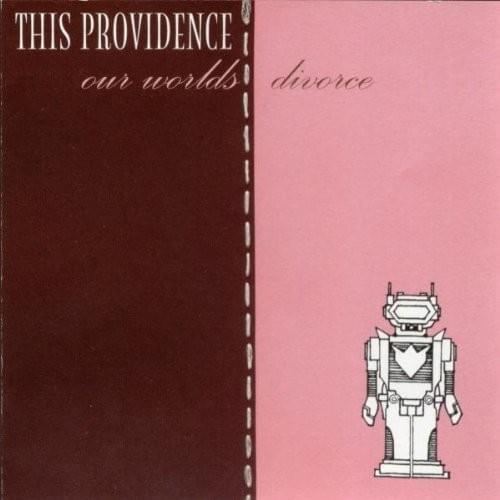
 View Artist