Song Meaning
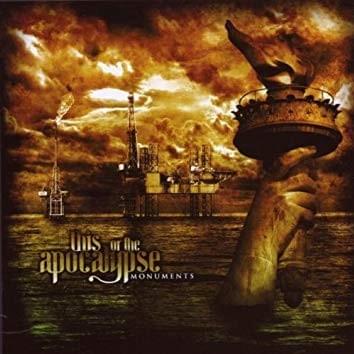
The lyrics paint a stark, almost apocalyptic picture of existence, beginning with a sense of self-imposed limitation and a deep familiarity with darkness. The narrator states, "I clipped off my claws," suggesting a sacrifice or a surrender of natural defenses, perhaps in an effort to cope with overwhelming experiences. This is immediately followed by the repeated phrase, "I have been one acquainted with the night," establishing a pervasive tone of somber introspection and a long-standing relationship with hardship or despair. The idea of a "last pinnacle left to face" implies a final, unavoidable confrontation, while the "indefinite statement of time" hints at a bleak, unending present or future. The declaration "No, there is no dawn" solidifies this sense of inescapable gloom.
The core tension arises from the confrontation with an inevitable end, framed by a universe that seems indifferent or actively decaying. The image of a "silent rock is turning black" and becoming "opaque" suggests a dying world, devoid of light or hope. The phrase "Our final cause is yours" is particularly striking, implying a transfer of responsibility or a judgment being passed, though the recipient of this cause remains ambiguous. This leads into a vision of rest that is not peaceful but rather a merging with the earth, described as a "vein of blood" and a place of "dirt and grey." The repetition of "Our sleep amongst" emphasizes a communal, resigned acceptance of this final state.
The lyrics employ potent, often violent metaphors to describe the human condition and the passage of time. Life is likened to "a broken glass; drink from the shards," a powerful image of enduring pain and finding sustenance in suffering. The concept of time itself is personified as "a loaded gun - For it has the power to kill / Without the power to die," highlighting its destructive force and its relentless, unfeeling nature. This paradox of power without reciprocal vulnerability underscores the narrator's bleak outlook. The final lines, "Wider than the sky, that is what we are," offer a fleeting, almost defiant assertion of vastness or potential, even within this framework of decay and inevitable demise, leaving the listener with a sense of profound, existential weight.
 View Artist