Song Meaning
The lyrics paint a stark picture of internal struggle and external frustration, opening with a scene of inexplicable restraint. The narrator questions why someone would "tie your hands" in response to an "outstretched knight," suggesting a self-imposed paralysis despite an apparent opportunity or plea. This is underscored by a profound sense of stagnation: "no birds sing" and a "best man" oblivious to a "golden verse." The dominant tone is one of deep dissatisfaction and a desperate yearning for progress or escape.
The core tension seems to lie in a self-destructive cycle of inaction and self-loathing. The narrator observes, "We've loathed ourselves more than our vices," and directly addresses someone as "two handfuls of soil / Thrown against the pavement - / Why won't you grow?" This imagery powerfully conveys a sense of being discarded and unable to flourish, despite a desire for growth. The subsequent plea, "Just let me through," repeated twice, highlights a desperate need to break free from this suffocating state.
A striking element is the contrast between the desire for release and the feeling of being irrevocably bound. The narrator declares, "I'll come like a foreign tirade / With anguish moist and fever-dew / Enmeshed in all the shackles of decline." This vivid description of arrival is not one of liberation but of being deeply entangled in decay. The assertion "we are not the water / No, we are no water at all" is particularly potent, rejecting a fluid, adaptable identity in favor of a "cold and dry" earth, reinforcing the pervasive sense of barrenness and the inability to flow or connect.
This lyrical construction effectively communicates a feeling of being trapped in a state of arrested development and societal decay. The repeated plea to be allowed passage, juxtaposed with the imagery of being "enmeshed in all the shackles of decline," creates a powerful emotional resonance. The final image of "cold and dry" earth where "no birds sing" leaves the listener with a profound sense of desolation, a stark testament to the narrator's internal and external landscape.
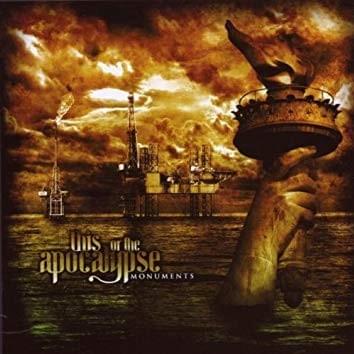
 View Artist