Song Meaning
The lyrics paint a stark picture of time passing, marked by a visceral sense of emptiness and a physical thirst. The opening lines, "Time was, time was empty, no teeth / Mouth was thirsty, swallowed breathing," immediately establish a tone of profound lack and a desperate, almost involuntary, engagement with existence. This isn't just a feeling of boredom; it's a physical sensation of depletion, where even breathing feels like something to be consumed rather than sustained. The imagery of an "empty, no teeth" mouth suggests an inability to bite into life, to hold onto experiences, or perhaps even to speak meaningfully.
This feeling of emptiness seems to be contrasted with a past or desired state of connection and purpose. The narrator describes a desire "to seek, to see" through words, implying a struggle to articulate or understand. The phrase "Time was knowing, leaving" suggests a loss of certainty or a departure from a state of understanding, leading to an "empty-hearted, leaning, slanted" posture. This suggests a life that is off-kilter, unbalanced, and lacking core emotional substance, perhaps a consequence of that earlier inability to fully engage.
The lyrics then shift to natural imagery, with "Autumn, tumble, compost, leaf mulch," evoking a sense of decay and natural cycles of decline. This is juxtaposed with the active verbs "Holding, hoping, calling, going," which convey a persistent, almost futile, effort to maintain or move forward. The repetition of "Time was, time was growing" here feels ambiguous; it could signify the natural progression of seasons and life, or it could be a more melancholic observation that even in emptiness, time continues its relentless march, perhaps leading to further decay or transformation.
The most striking section appears to be the recollection of a time when "Time was all ours for hours and hours," a period of abundance and shared experience, perhaps even a youthful sense of invincibility. This is immediately undercut by the image of "Daylight creeping away, leaving, leaving," a poignant metaphor for the inevitable end of such moments and the encroaching darkness of loss or the present emptiness. The final, repeated declaration, "Time was, time was empty, no teeth," brings the listener back to the initial, overwhelming sensation, reinforcing the cyclical nature of this feeling and the enduring power of that profound lack.
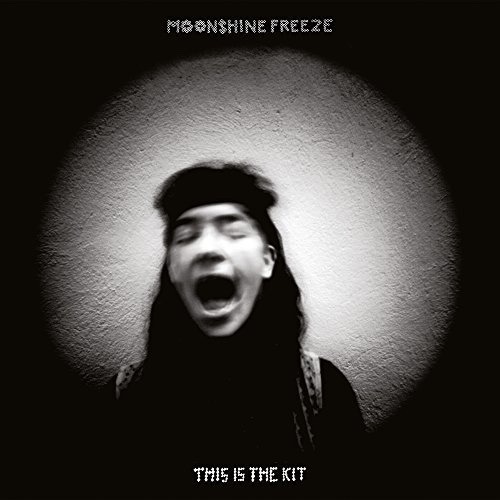
 View Artist