Song Meaning
The lyrics paint a stark contrast between a vibrant, candle-lit present and a desolate, memory-laden past. The narrator observes a million candles illuminating the streets, a scene of apparent celebration or remembrance, yet this is immediately juxtaposed with the image of "melted wax on the concrete" back home. This detail suggests a history of decay and perhaps a more somber reality, hinting at a heart that was "so pure it that ceased to beat," a poignant metaphor for lost innocence or a life cut short.
The central tension lies in the narrator's struggle with communication and the weight of their current situation. They confess, "I haven't said nearly enough," revealing a deep regret or an inability to fully express themselves. This is immediately undercut by the admission, "But I've already said far to much," highlighting an internal conflict where words feel both insufficient and dangerously revealing. This suggests a precarious emotional state, caught between silence and oversharing, perhaps due to the circumstances that led them away from "back home."
The most striking aspect of the writing is the profound, almost nihilistic observation about shared mortality. The narrator declares, "This is the best and worst things will ever get," a statement of extreme emotional paradox. This sentiment culminates in the powerful, unifying, yet bleak assertion: "back home they curse our names, but good or bad we all rot the same." This line strips away judgment and circumstance, emphasizing a universal end that renders all earthly grievances and triumphs ultimately insignificant.
This lyrical passage resonates because it captures a complex emotional landscape of regret, present intensity, and a stark, unifying truth about existence. The sharp contrasts, the self-contradictory statements about speech, and the final, leveling pronouncement on mortality combine to create a deeply affecting reflection on life, loss, and the inescapable nature of death, well, everything.
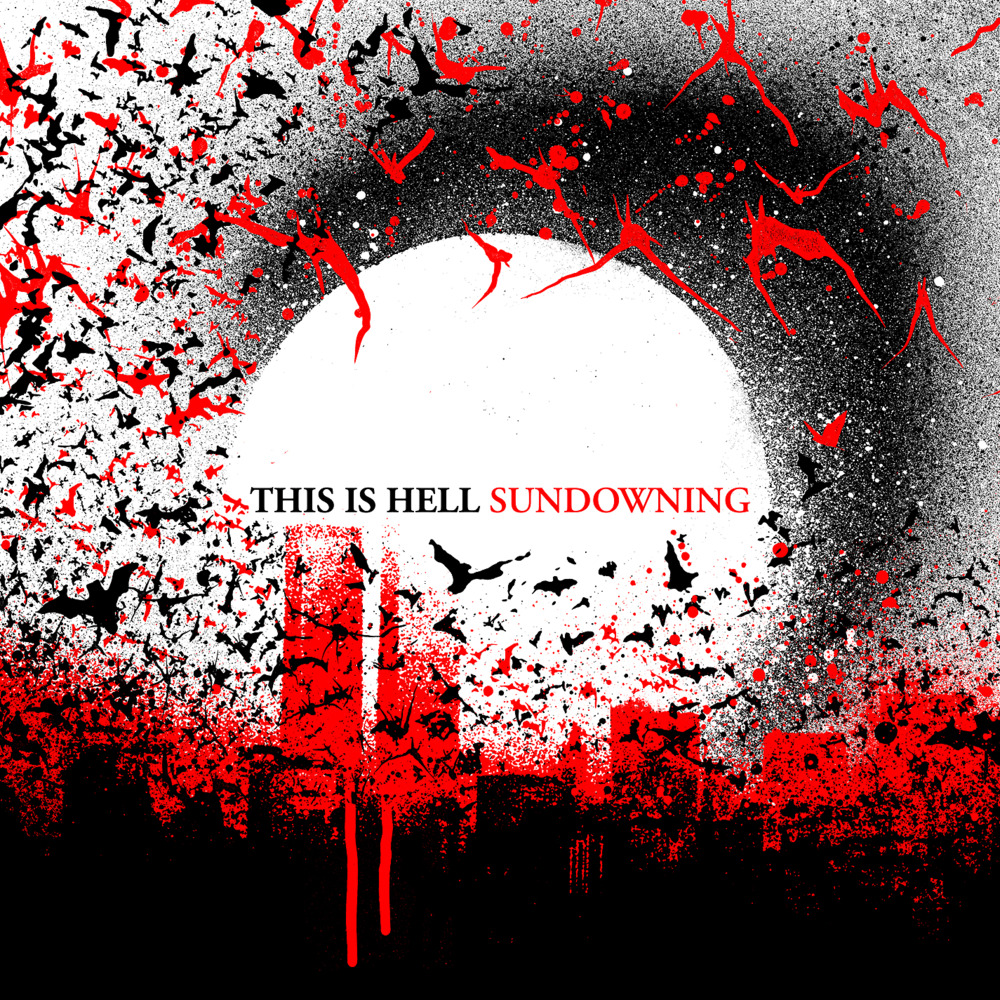
 View Artist