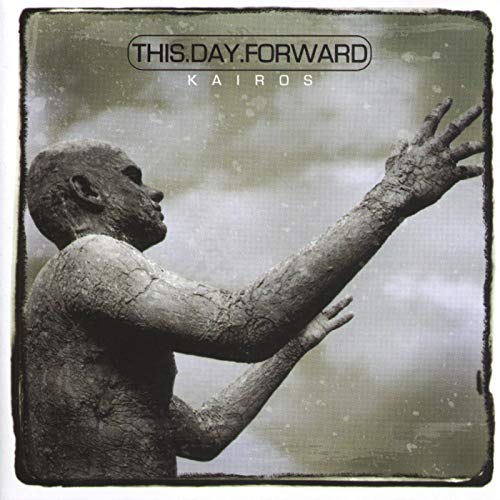
Song Meaning
The lyrics paint a stark picture of emotional paralysis, beginning with the chilling imagery of "winter hands, cold clasps." This sets a tone of deep, lingering sadness, where memories are not comforting but rather "lucid, a salty drop." The narrator grapples with a past brilliance that has become "over rich," suggesting a painful excess of memory that now feels fragmented and overwhelming. The central question, "Is this the place you hide when the warmth goes away?" immediately introduces a tension between a present state of coldness and a search for a lost connection or comfort.
The core conflict seems to stem from an inability to move forward, a feeling of being "frozen in time." Yet, there's a contradictory impulse to "step away," indicating a struggle between stagnation and the desire for escape. The narrator insists, "I'm not turning my back on you," but immediately qualifies this by stating, "our thoughts and words are crystallized in ice." This highlights a profound disconnect: a commitment to the memory of a relationship or state, while acknowledging its current lifelessness. The futility of revival is clear, as thawing these frozen sentiments would only reveal them as "disjoint."
The most striking aspect is the exploration of memory and reality as something fragile and potentially better left undisturbed. The idea that trying to "bring them back to life" will result in a "disjoint" and "new configuration" suggests that any attempt to revive the past will fundamentally alter it, perhaps into something unrecognizable or even more painful. This leads to the poignant contemplation: "Maybe it's better to live in sleep in constant dreamscapes." The final question, "What is reality anyway?" underscores a profound disillusionment with the present, where the perceived authenticity of a dreamscape might be preferable to the fractured, frozen state of waking life.