Song Meaning
The narrator recounts a relationship that dissolved not with a bang, but a slow, painful fade. There's a palpable sense of wasted time, marked by "staring at clocks and crossing lines," a phrase that suggests both boredom and a deliberate disregard for boundaries. The initial belief that the partner was "on my side" crumbles as the narrator realizes they were only ever seen for their "unattractive parts."
The core tension lies in the narrator's inability to let go, even as the relationship has clearly ended. The partner "wanted out, wanted to be free," and the "distance" made years feel like "an instant," signifying a complete emotional disconnect. Yet, the narrator clings to the idea of the relationship because, without it, they "can't let it end" and question "who would I be without the one who taught me how to pretend?" This highlights a deep-seated insecurity and a reliance on the relationship for identity, even a performative one.
The lyrics masterfully capture the paradox of their situation. The narrator admits to "killing you with kindness," an act of self-sabotage that prolongs the inevitable. The striking image of one partner walking "above" and the other "below" perfectly illustrates their divergent paths and lack of connection. This physical separation mirrors their emotional chasm, creating a powerful metaphor for their incompatible trajectories.
Ultimately, these lyrics resonate because they articulate the painful reality of loving someone who no longer sees value in you, while simultaneously being unable to sever the tie. The narrator's self-awareness of their "walking contradictions"—holding onto "love, but calling it fiction"—and their shared need to be "on [their] own" underscores the tragic, almost absurd, nature of their shared stagnation. The final line, "don't we love wasting our time," lands with a bitter, ironic punch, encapsulating the futility of their continued entanglement.
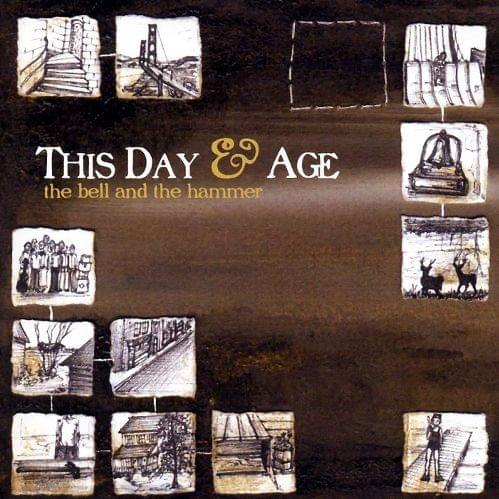
 View Artist