Song Meaning
The lyrics paint a scene of quiet, almost domestic unease, where a sense of impending conflict is palpable beneath a veneer of normalcy. The opening lines suggest a refusal of preamble, immediately plunging into a feeling of coldness and developing tension, hinting that the situation is already fraught. The narrator's focus shifts to a small, almost mundane action: touching curtains with a toe, which grounds the abstract tension in a physical, personal space. This detail, coupled with the image of a "worn out cloud in water," evokes a sense of weariness and perhaps a dissolving reality, confirming an "old story" that feels predetermined and evenly spaced, like a slow, inevitable march.
The core tension seems to lie between a desire for release and the imposition of external control. The phrases "let yourself unwind" and "let yourself go" suggest an internal yearning for freedom or surrender, a moment of personal peace. However, this is brutally interrupted by the repeated, stark declaration: "THIS IS AN ORDER." This command functions as an abrupt halt, a forceful imposition that crushes any possibility of organic relaxation or self-expression, creating a jarring contrast between internal desire and external authority.
The most striking aspect of the craft is the juxtaposition of intimate, sensory details with the blunt, authoritarian command. The gentle, almost passive observation of touching curtains and the melancholic "worn out cloud" are shattered by the forceful, capitalized repetition of "THIS IS AN ORDER." This linguistic whiplash highlights the power imbalance and the suffocating nature of the imposed will, making the final command feel less like a directive and more like an act of suppression. The lyrics effectively convey a feeling of being trapped, where personal space and internal desires are overridden by an unyielding, external force.
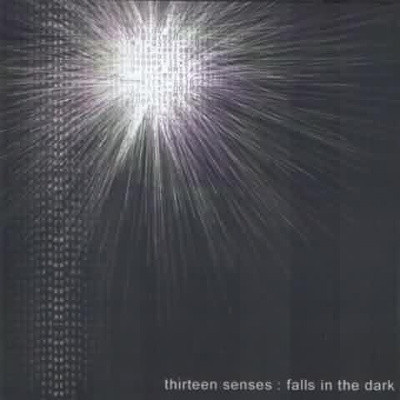
 View Artist