Song Meaning
The lyrics paint a picture of someone grappling with a deep-seated internal conflict, a desperate need to escape a suffocating environment. The narrator describes a pattern of retreat: descending only when out of air, looking down only when out of sight, and moving on until fear sets in. This suggests a cycle of avoidance, where forward momentum is halted by apprehension, and a return is only considered when fully ready, a state that seems perpetually out of reach. The repeated phrase "I can't feel anything down there" coupled with "It's like a free for all" hints at a disassociation from a chaotic inner or outer space, a place where the self feels lost and overwhelmed, "out of my depth."
The central tension lies in the struggle between the desire for change and the paralyzing fear that accompanies it. The narrator expresses a strong urge to depart before external forces – "the freaks come out at night" – take hold, indicating a desire to control their environment and avoid perceived threats. Yet, the recurring idea that "The atmosphere changes every time" introduces a sense of futility, as if external circumstances are constantly shifting, making any attempt at stable escape or control an uphill battle. The question "Who brings another point of view?" suggests a longing for external guidance or a different perspective to navigate this volatile state.
The most striking element is the stark contrast between the desire to "change the atmosphere" and the ultimate realization, "You can't change the atmosphere." This refrain, repeated insistently, underscores a profound sense of powerlessness. The narrator seems to be confronting the inability to alter fundamental conditions, whether internal or external. The command "Turn that man around / To face me" implies a confrontation with a different aspect of the self, perhaps the part that is "out of my depth" or the part that is responsible for the inability to change. The outcome, "It's turned out differently," suggests that this confrontation, while perhaps not leading to the desired change, has at least altered the internal landscape.
Ultimately, these lyrics resonate because they articulate the frustrating experience of being trapped by one's own limitations and the perceived unchangeability of one's surroundings. The raw, almost desperate tone, combined with the cyclical imagery of escape and fear, captures the exhausting nature of internal struggle. The final, repeated assertion that the atmosphere cannot be changed, despite the narrator's efforts, leaves the listener with a potent sense of unresolved tension and the heavy weight of confronting an unyielding reality.
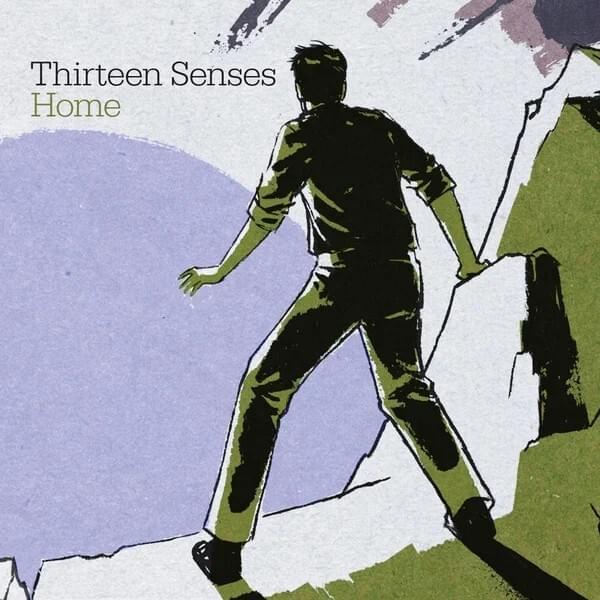
 View Artist