Song Meaning
The lyrics paint a picture of solitary contemplation on global suffering, specifically the absence of freedom and justice. The narrator feels a personal responsibility to help the "broken" and "hopeless," but immediately acknowledges their own limitations. This sets up a core tension: a desire for action clashing with a perceived inability to enact meaningful change alone.
The central conflict emerges from this dependence on a higher power. The repeated pleas, "Lord, You know I can't do this without You" and "God, we need You now, help us to make a move," underscore a profound reliance on divine intervention. The call to "Arise, o God" is not just a request for spiritual comfort, but a direct plea for divine agency to bring about tangible outcomes like "freedom and forgiveness" and "mercy and for justice."
The most striking aspect is the shift from individual introspection to collective supplication. Initially, the narrator speaks in the first person, "I sit alone," "I wonder." However, as the song progresses, particularly in the chorus and the second verse, the perspective broadens to "we" and "Your children, of Your people." This transition suggests that the individual's struggle is amplified into a communal need, reinforcing the idea that significant societal change requires a unified, divinely-guided effort.
This lyrical structure effectively conveys a sense of earnest, humble faith. The raw acknowledgment of personal inadequacy, coupled with the unwavering belief in God's power to "save us" and "rescue us," creates an emotional resonance. The final affirmation, "In the name of Jesus, there is hope," offers a powerful, albeit conditional, resolution to the initial despair, grounding the hope in a specific spiritual framework.
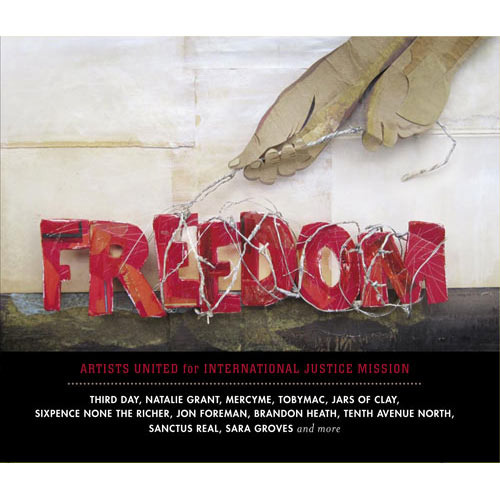
 View Artist