Song Meaning
The lyrics paint a picture of pervasive, almost supernatural communication, where news travels with a disquieting speed, "static like ghosts in gasoline." This isn't just fast; it's an unsettling, intangible spread of information that outpaces physical senses and distance. The narrator feels this information directly, as if it’s a personal pronouncement.
The core tension arises from a repeated, chilling message: "You are alone, you are not free." This refrain is delivered by an internal or external voice, first as abstract news, then as a more visceral threat. The imagery shifts from ethereal static to a tangible, menacing "snake" with a "phone cord for a tail," suggesting that the very tools of connection are weaponized against the narrator's sense of autonomy.
The most striking craft element is the personification of communication itself as both ghost and snake, blurring the lines between information, fear, and physical danger. The "phone cord for a tail" is a particularly potent image, transforming a mundane object into a symbol of entrapment. The narrator’s attempt to control their reality by choosing "what I see" ultimately circles back to the inescapable pronouncement, "I am alone, I am not free."
This lyrical construction is effective because it externalizes a profound sense of isolation and powerlessness, making it feel like an unavoidable force. The contrast between the rapid, almost invisible spread of news and the slow, deliberate pronouncements of loneliness creates a suffocating atmosphere. The final, self-affirming declaration of being "alone" and "not free" highlights a surrender to this pervasive, inescapable condition.
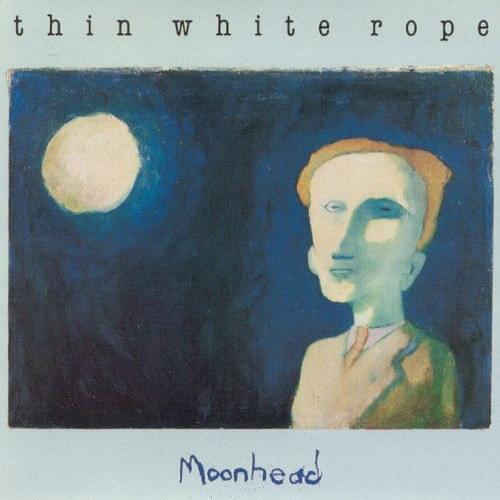
 View Artist