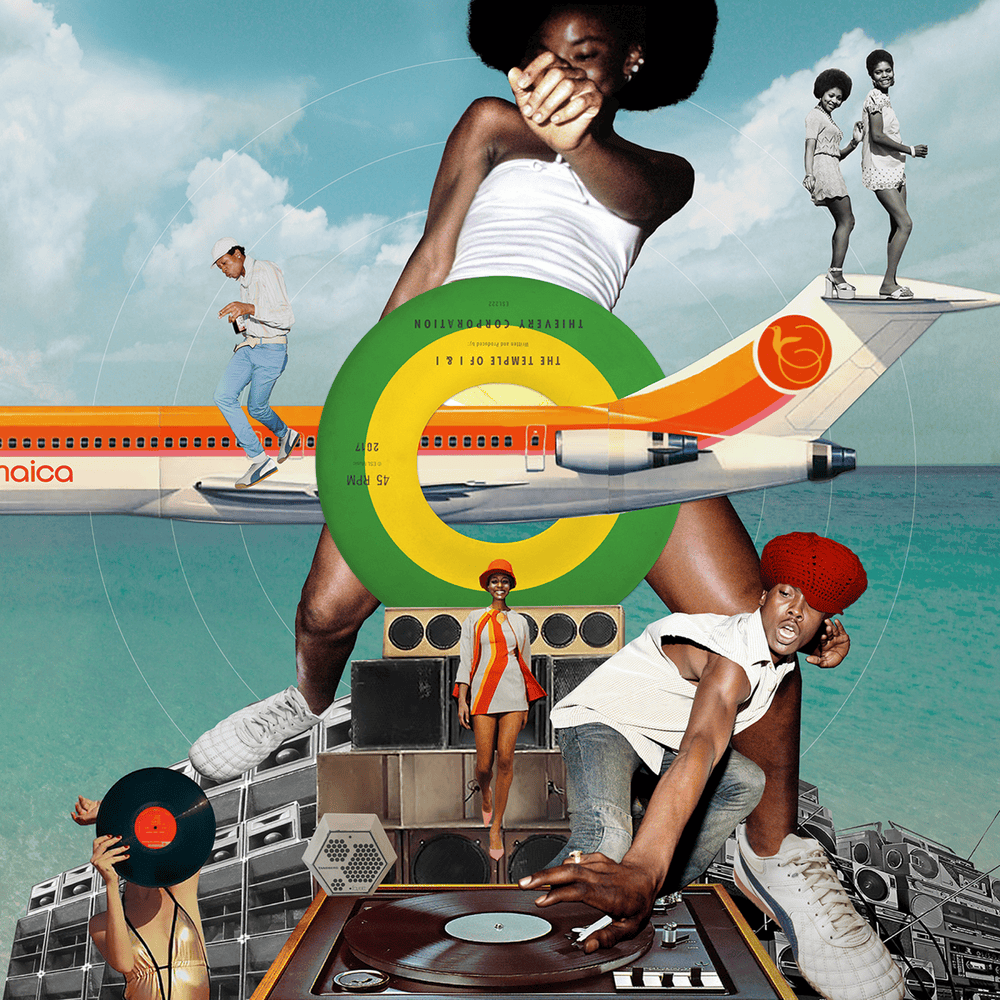
Song Meaning
This track opens with a declaration of faith and gratitude, invoking "Jah Rastafari" and seeking "recognition of I and I true love and faith." It establishes a spiritual foundation, setting a tone of righteous conviction before launching into its core message. The initial lines ground the song in a personal and communal spiritual practice, emphasizing truth and power.
The central conflict emerges with the introduction of "Thief rockers," positioned as a force against oppressive entities like the "Illuminati satyr" and "false-flag plotter." The lyrics suggest a confrontation, with "thief rockers" bringing "fire" and "blowing up the bass bins." This imagery implies a disruptive, revolutionary energy aimed at dismantling corrupt systems. The repetition of these lines reinforces the urgency and defiance of this stance.
The craft here is in the potent, almost coded language. Phrases like "full-clip shotters" and "magic ganja" evoke a sense of street-level power and spiritual potency, contrasting with the more abstract, sinister forces they oppose. The reference to "broken coppers" hints at a history of being policed or misunderstood, yet the narrator asserts control over their own narrative and experience, suggesting a mystical resilience. The invocation of "Shaka" and being "guided by the One, yes, the Most High" further solidifies a spiritual authority that transcends earthly powers, even the "all-seeing eye."
What makes these lyrics hit hard is their fusion of spiritual conviction with a defiant, almost militant, call to action. The narrator isn't just observing; they are actively participating in a struggle, armed with faith, music, and a potent, perhaps illicit, form of spiritual medicine. The explicit explanation of "Haile Selassie" at the end serves to underscore the deep roots of this power, grounding the revolutionary spirit in a specific, revered historical and spiritual context.