Song Meaning
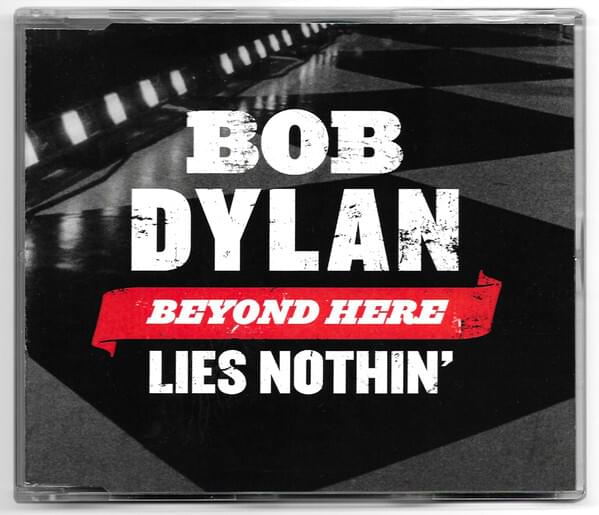
The narrator paints a picture of intense, almost desperate devotion, framing his lover as the sole anchor in a potentially desolate existence. He declares her the "only love I've ever known," suggesting a profound, singular connection that elevates his world to a "throne" as long as she remains. This initial declaration sets a tone of possessive adoration, where the external world's value is entirely contingent on her presence.
This intense focus on the relationship creates a palpable tension. The recurring phrase "Beyond here lies nothin'" acts as a stark counterpoint to the intimacy described. It suggests a void or an emptiness that exists outside their shared space, a place where their connection, and by extension their very existence, has no meaning or ownership. This void is described in various ways: "nothin' we can call our own," "nothin' but the moon and stars," "mountains of the past," and finally, "nothin' done and nothin' said." Each iteration emphasizes a lack of substance or permanence outside their immediate bond.
The imagery of "boulevards of broken cars" and "every window made of glass" contributes to a sense of fragility and potential destruction in the world beyond their love. These are not comforting images; they suggest a landscape littered with wreckage and vulnerability. The narrator's plea to "lay your hand upon my head" and his ship being ready with sails spread hint at an impending departure or a need for reassurance before facing whatever lies "beyond." The contrast between the supposed safety of their love and the implied desolation outside is the core of the song's emotional weight.
Ultimately, the lyrics resonate because they capture a primal fear of isolation and meaninglessness, projecting it onto the world outside a singular, all-consuming relationship. The narrator's fervent declarations and the stark pronouncements about the void create a powerful, almost claustrophobic portrait of love as both a sanctuary and a potential prison, defined by what it excludes. The craft lies in this stark juxtaposition, making the internal world of their love feel both precious and precariously defended.
 View Artist