Song Meaning
This song paints a picture of someone yearning for a love that transcends fleeting pleasure, seeking genuine emotional connection. The narrator directly addresses a potential lover, questioning the doubts that might prevent them from pursuing something real. The plea is for a leap of faith, suggesting that the existing bond between them is strong enough to build upon.
The central tension lies in the contrast between the desire for deep, lasting love and the fear or hesitation that holds the other person back. The repeated negative commands – "Não chega, não deixa," "Não pense, não negue," "Não diga 'não'" – highlight this resistance. It's a push and pull, where one person is ready to commit fully, while the other seems to be holding back, perhaps out of caution or past hurt.
The most striking aspect of the writing is the direct, almost urgent, appeal for a chance. The lyrics propose a reciprocal exchange: "Me dê a mão e o coração / Que eu te entrego o meu corpo inteiro." This isn't just about receiving love, but about a complete surrender and mutual vulnerability. The idea that "amar não tem mistério" (loving has no mystery) is a bold assertion, simplifying the complex act of love into a matter of willingness and openness.
Ultimately, the effectiveness of these lyrics stems from their raw, unvarnished plea for connection. The narrator's willingness to offer their entire self – hand, heart, body, and even their "ground and loneliness" – in exchange for a shared future is incredibly compelling. It's this profound act of offering and the simple, hopeful request, "Dê mais uma chance pro amor," that resonates, making the listener root for this potential union.
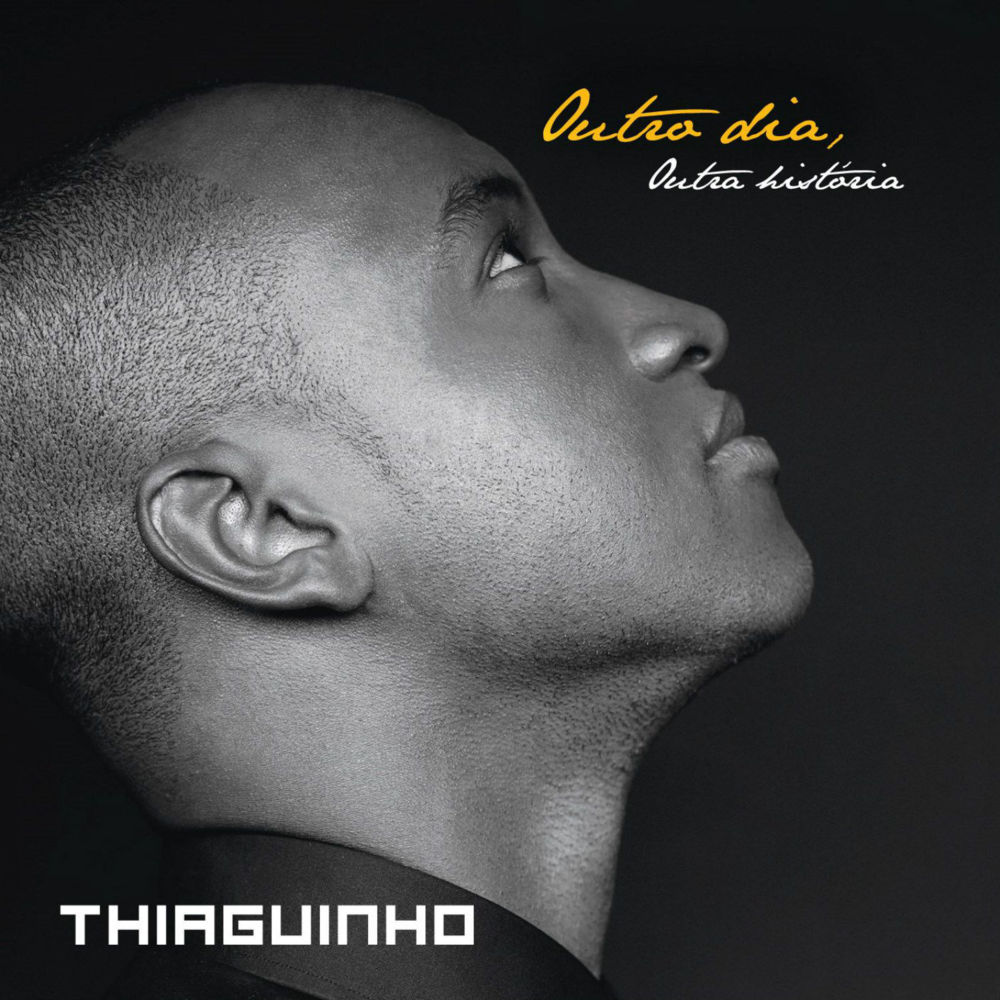
 View Artist