Song Meaning
The narrator grapples with a pervasive sense of existential dread and a feeling of being trapped, leading to a desperate wish for longevity. The opening lines, "Sometimes I feel like being wispy / And once in a while I feel like being dry," suggest a fluctuating internal state, a desire for ephemeral lightness contrasted with a stark, arid emptiness. This internal conflict is immediately overshadowed by a collective doom: "But we're doomed and we're drowned / By this feeling we surround." The core plea, "So I hope that I get old before I die," emerges as a direct reaction to this suffocating atmosphere, a yearning for more time in the face of impending finality.
The chorus amplifies this tension with stark imagery of judgment and mortality. The "long, long rope they use to hang you" evokes a sense of inevitable punishment or consequence, yet the narrator expresses a peculiar hope that this hanging is delayed. The repeated "why, why, why" questions the current state of affairs, perhaps the lack of resolution or the prolonged suffering. The visceral image of "dirt that I'll be wearing for a shirt" powerfully conveys a premonition of death and burial, making the desire to "get old before I die" a plea to escape this immediate, grim fate.
The third verse introduces a domestic, almost ritualistic scene of surrender. "Clear off the kitchen table darling / For on the kitchen table I must lie" suggests a passive acceptance of a final resting place or a sacrificial offering. The narrator explicitly states, "I'm just tired, for my wife served the banquet of my life," framing their existence as a completed meal, a life consumed and served by another. This profound weariness, coupled with the feeling of a life's course being dictated, reinforces the desperate hope for more time, a chance to experience something beyond this perceived end.
Ultimately, the lyrics articulate a profound weariness with existence, a feeling of being judged or condemned, and a deep-seated fear of an premature end. The repeated refrain acts as an anchor, a desperate mantra against the encroaching darkness and the sense of a life already concluded. The contrast between the desire for simple longevity and the grim, almost theatrical imagery of death creates a powerful emotional resonance, highlighting the human struggle against the inevitability of time and fate.
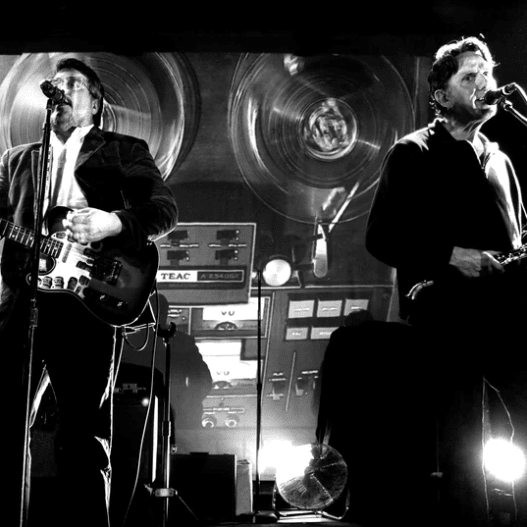
 View Artist