Song Meaning
The lyrics paint a picture of someone observing a "little girl," initially believing she's headed for school. This simple setup quickly shifts as the narrator reveals they saw her break a "teacher's rule" and then watched her writing in her book. The narrator's affection is immediate and declared: "'Cause I love ya / An' I don't care, a-what they say." This establishes a protective, almost possessive, adoration that transcends conventional boundaries.
The core tension arises from this intense, unsolicited devotion. The narrator's gaze is constant, moving from the classroom window to observing her by an "oak tree." This persistent watching suggests a deep emotional entanglement, a longing for a past connection hinted at by "golden sand / A-walking, a-talkin', hand in hand." The repetition of "Got you, in my soul" hammers home the narrator's conviction that this bond is profound and internal, regardless of external perception or the girl's actual situation.
The most striking craft element is the narrator's persistent framing of the subject as a "little girl" and "child," juxtaposed with the intensely personal and adult-like declaration of love and possession. Terms like "angel" and "wild child" further complicate this, suggesting a complex mix of innocence and untamed spirit that the narrator finds captivating. The repeated "Got you" acts like a mantra, solidifying the narrator's internal claim over the subject, almost as if to convince themselves of the permanence of this feeling.
This lyrical approach is effective because it creates an unsettling intimacy. The narrator's unwavering focus and the almost obsessive repetition of "Got you, in my soul" bypass typical narrative progression, directly conveying a powerful, albeit potentially concerning, emotional state. The ambiguity of the relationship and the narrator's perspective invites the listener to question the nature of this profound connection, making the song linger long after the music fades.
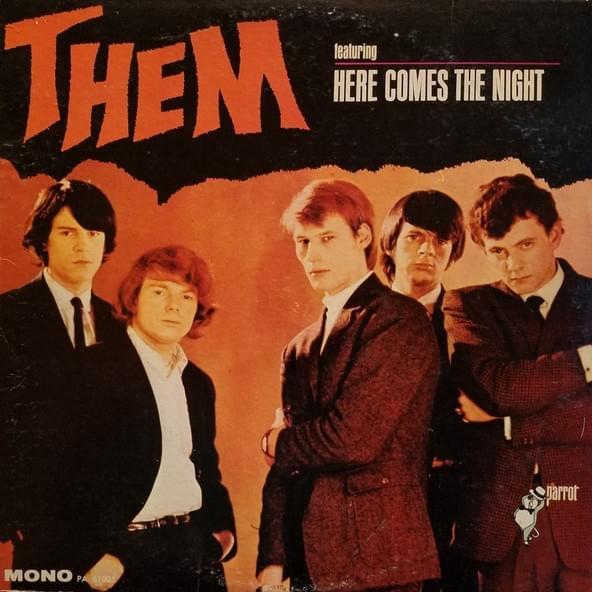
 View Artist