Song Meaning
The lyrics paint a stark picture of desolation, where the absence of a loved one directly correlates with a perpetual, oppressive gloom. The narrator opens by stating a simple, yet profound, truth: the sky is sunless because her "man and I ain't together." This isn't just a metaphor; it's presented as a direct cause-and-effect, establishing a world where emotional state dictates the very weather. The repetition of "raining, and raining, and raining" underscores the inescapable nature of this despair.
The dominant emotional tension arises from the narrator's complete inability to cope with this separation. Life is "bare," filled with "gloom and misery," and she "just can't get [her] poor old self together." This isn't a temporary sadness; it's a profound disorientation that leaves her "weary all the time." The fear of being left alone is so intense that it conjures a chilling image: the "old rocking chair's gonna get me," suggesting a descent into a lonely, stagnant old age.
The most striking aspect of the writing is how it externalizes internal pain into a literal, inescapable environmental condition. The "blues" are personified as entities that "walked in and met me" when he left, further blurring the line between psychological distress and physical reality. The narrator's only recourse is prayer, a desperate plea to "walk in the sun once more," highlighting the extreme dependence on this external force for any semblance of normalcy or happiness.
This lyrical construction is effective because it grounds an overwhelming emotional state in tangible, albeit exaggerated, imagery. The constant rain and lack of sun aren't just feelings; they are the lived reality of the narrator's world post-separation. The raw, unadorned language, like "everything I had is gone," amplifies the sense of utter devastation, making the listener feel the weight of her isolation.
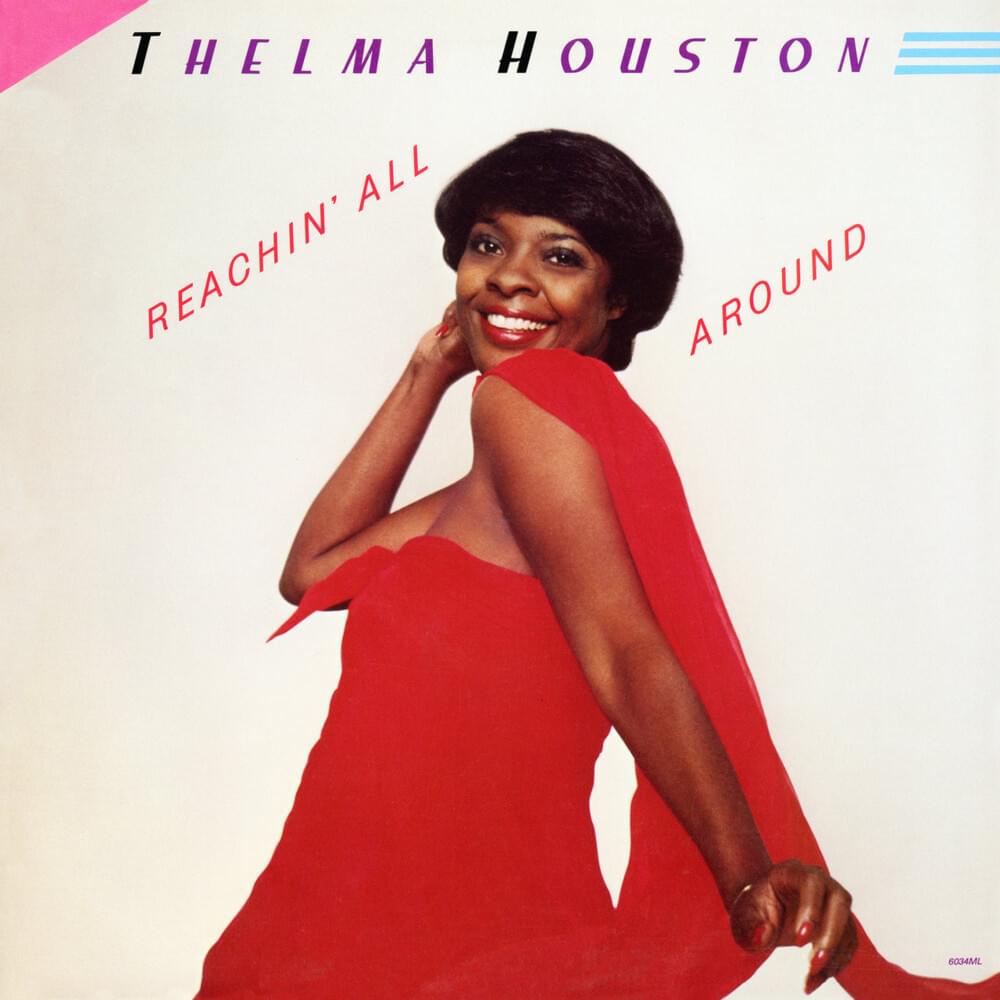
 View Artist