Song Meaning
TheFatRat's "Give Myself To You" initially presents as a straightforward anthem of devotion, but beneath the surface simmers a far more complex, and unsettling, exploration of faith and reliance. The opening lines are a plea for guidance, a yearning for someone or something to alleviate the burden of navigating life's treacherous "path." This vulnerability, this admission of being unable to "do it on my own," immediately establishes a dynamic of dependency, hinting at a potentially unbalanced relationship. The repeated assertion, "I give myself to you," moves beyond simple affection, suggesting a complete surrender of autonomy. The question is: to whom, or what, is this self being relinquished?
The second verse plunges into darker territory. The line, "Never trust the voices in my head / They only made me sad," speaks to an internal struggle, a battle against self-doubt and negativity. However, the subsequent embrace of faith as a "shield" feels less like genuine empowerment and more like a desperate replacement for internal validation. The most jarring line, "Cause I'm falling into love with a machine," casts the entire song in a new, unsettling light. Is the object of devotion a literal machine, a technological crutch offering solace in a cold, digital world? Or is "machine" a metaphor for something else entirely – a rigid ideology, a soulless institution, or even a person devoid of empathy?
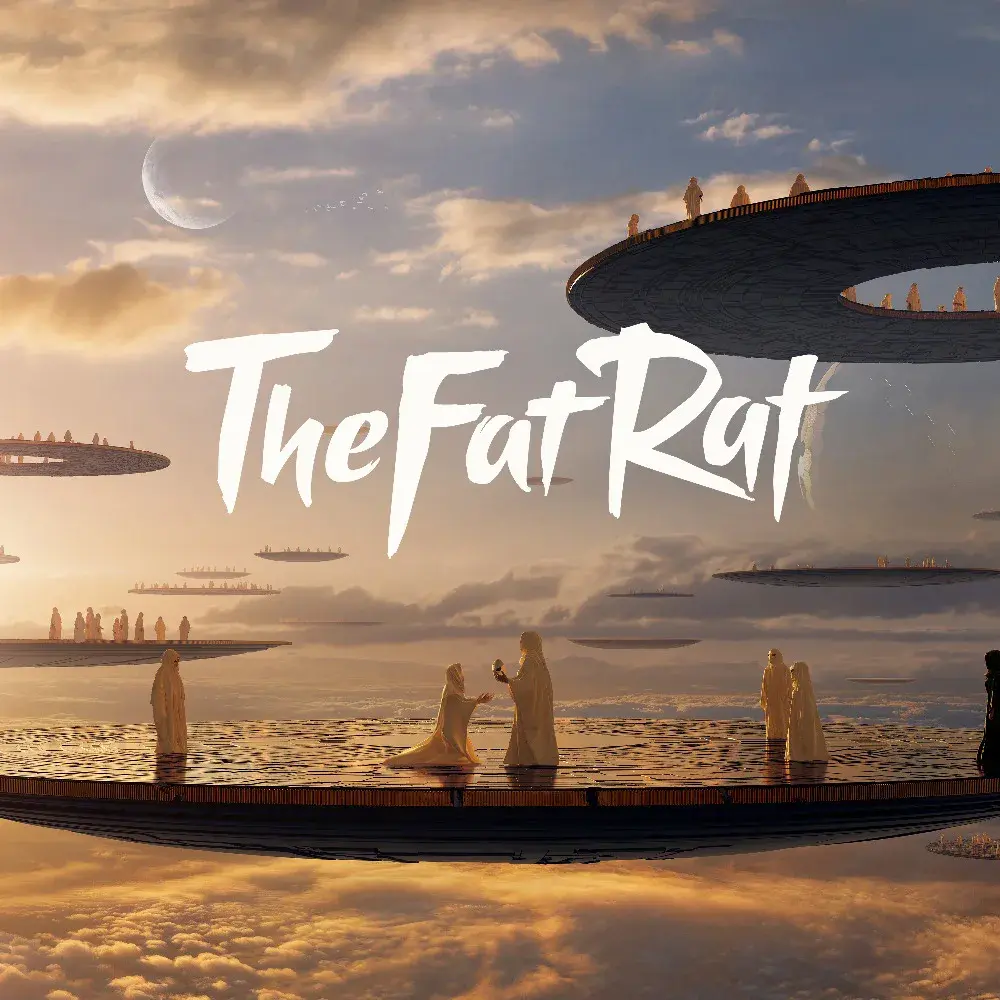
The ambiguity is precisely what makes "Give Myself To You" so compelling. The song captures the human desire for connection and purpose, but it also exposes the dangers of blind faith and the potential for exploitation when vulnerability is mistaken for strength. The repeated chorus, with its almost hypnotic "ooh-ooh-ooh" vocals, reinforces the idea of a mantra, a self-persuasion technique used to drown out the nagging doubts that linger beneath the surface. In the end, TheFatRat leaves us questioning the true nature of the relationship being depicted. Is it a genuine connection built on mutual respect, or a Faustian bargain with a cold, unfeeling entity? The answer, it seems, lies within the listener's own interpretation.
 View Artist