Song Meaning
The lyrics immediately set up a tension: an offer of an expansive, "wider world" clashes with a preference for something much more contained. The speaker seems to observe a desire for "melodrama" – a predictable narrative with a clear "beginning, middle and an end." This contrast establishes a core conflict between reality and curated fiction.
The central tension lies in the perceived rejection of genuine experience. The "wider world" is presented as something available, perhaps even delivered right to the "Nikolodean your front room," suggesting that even vastness can be packaged. Yet, the subject consistently chooses the comfort of a pre-defined story, implying a resistance to ambiguity or the messy nature of real life. This highlights a yearning for order in a potentially chaotic existence.
The relentless repetition of "beginning, middle and an end" is the most striking craft choice. Initially part of a larger statement, it soon stands alone, then fragments into "Beginning. End / Middle and an end." This structural breakdown mirrors the very predictability it describes, making the desire for simple narrative arcs feel almost suffocating. The phrase itself becomes a kind of monotonous echo, emphasizing the limited scope of this preferred "melodrama."
These lyrics are effective because they tap into a universal observation about human nature: the comfort found in predictable stories versus the challenge of unfiltered reality. The speaker's slightly resigned tone, coupled with the insistent repetition, creates a sense of both critique and understanding. It makes the listener reflect on their own consumption of narratives, questioning whether they, too, sometimes opt for the neat "beginning, middle and an end" over the complexities of a "wider world."
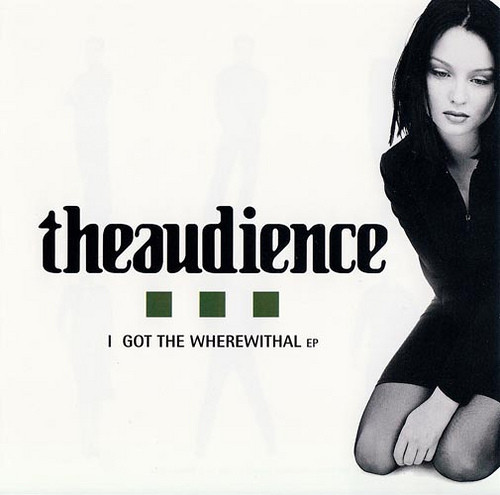
 View Artist