Song Meaning
The lyrics open with a solitary figure gazing at the moon, feeling a profound sense of personal inadequacy. There's an immediate, desperate plea for the "night sun" to cleanse a "dirty heart." This sets a tone of yearning mixed with self-reproach, as the narrator asks the moon to "replace it immediately" if it laughs at their state.
A core tension emerges from the narrator's perception of the moon. Initially, it's a silent, almost pitying observer, yet the narrator feels their wish "probably won't reach." This shifts to a more confrontational stance, blaming the moon if "people go crazy," suggesting a deeper frustration with its passive, yet powerful, presence.
The most striking craft element is the moon's transformation from a benevolent, if distant, entity to a source of genuine terror. The narrator imagines the moon's will could make "all people go crazy," even their "beloved darling." This fear culminates in the chilling image of a "red" moon, which the narrator "is probably afraid of," hinting at a darker, more volatile power beneath its serene facade.
These lyrics resonate by tapping into a universal human experience of projecting internal turmoil onto external forces. The moon becomes a canvas for the narrator's self-loathing, their sense of powerlessness, and ultimately, their fear of a world (and a self) that can be unpredictably altered. The repeated refrain, "Thinking such things, I sing the moon's song," underscores the cyclical, almost ritualistic nature of this internal struggle, making the contemplation itself a form of coping.
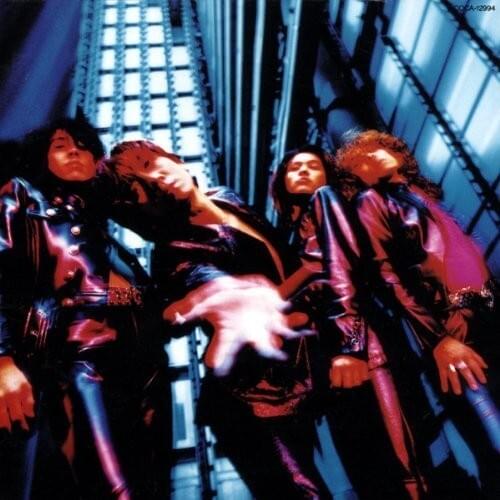
 View Artist