Song Meaning
The lyrics paint a picture of intense, almost ritualistic care for someone, juxtaposed with unsettling, fragmented imagery. The narrator has brought someone "home safe" and provided "forty-two gallons of your favorite propane," a detail that feels both domestic and potentially volatile. The repetition of "nine bibles to rest your head on" suggests a need for spiritual or moral grounding, perhaps for the person being cared for, or as a desperate plea from the narrator.
The core tension seems to lie between this protective, almost obsessive devotion and a sense of unease or impending doom. The narrator is "picking up signals on a vacant highway" and "throwing down marbles in a field of stray boys," actions that feel aimless and slightly desperate, hinting at a search for meaning or connection in desolate spaces. The plea, "Stop mister it's not my time now," could be directed at fate, a person, or an internal struggle, reinforcing the feeling of being caught in a precarious moment.
The craft here is in the jarring juxtaposition of the mundane and the bizarre. The "pre-school teacher vail over my face" is a striking, almost surreal image, suggesting a forced innocence or a hidden identity. The observation about the "neighbor has two wives" adds a layer of societal or moral complexity that feels out of place, yet contributes to the overall atmosphere of strangeness. The narrator’s declaration, "I know the moon is blue," signifies a deep, perhaps melancholic, understanding of the world's unusual nature.
This writing is effective because it creates a potent, unsettling mood through specific, unexpected details rather than explicit emotional declarations. The repeated, almost frantic, acts of care – the propane, the bibles – combined with the disorienting, disconnected images, leave the listener with a profound sense of mystery and a lingering feeling of vulnerability. It’s the specificity of the oddities that makes the emotional undercurrent so palpable.
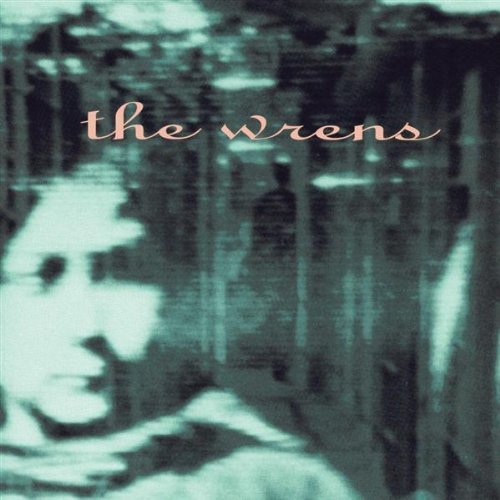
 View Artist