Song Meaning
The narrator recounts her mother's warnings about the "Williamstown boys," labeling them "not our kind." This sets up an immediate social divide, a clear boundary drawn by upbringing and perceived class. However, the introduction of "Willy McCoy" immediately complicates this rigid worldview, suggesting a personal connection that defies the established rules. The narrator questions the logic of separation when basic human experiences, like the sunrise, are universal.
The central tension arises from the narrator's forbidden attraction to Willy McCoy, a boy from the 'wrong' side of town. A fleeting glimpse through a car window, a potential shared glance, ignites hope for a connection that is immediately stifled by her circumstances. She feels "stuck here / On the right side of the tracks," a phrase that powerfully encapsulates her entrapment within a social structure that prevents her from pursuing this nascent possibility.
The lyrics masterfully use the imagery of the "rusty rails" and the "train" to represent the insurmountable social barrier. These are not abstract divisions but tangible, physical markers of separation. The idea of the train needing to stop and them needing to "hop on board" illustrates the desire for escape and a new beginning, one where "love can cross the line / Between his world and mine." The distance to Williamstown is paradoxically both "a stone's throw away" and "a million miles," highlighting the psychological and social chasm.
This song resonates because it captures the frustration of being held back by external forces, specifically social class and ingrained prejudice. The narrator's internal conflict between her mother's ingrained warnings and her own burgeoning feelings for Willy McCoy makes her predicament palpable. The writing effectively uses concrete imagery of the train tracks and the town to externalize this internal struggle, making the emotional weight of her confinement deeply felt.
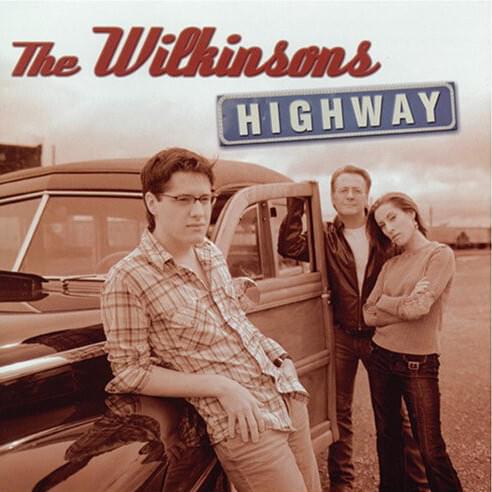
 View Artist