Song Meaning
The lyrics paint a picture of a deeply nostalgic childhood, anchored by the recurring image of "old cottonfields back home." The opening lines establish a tender, almost primal scene: a mother rocking her baby in a cradle, a moment of pure comfort and security. This idyllic memory is immediately and repeatedly tied to a specific rural landscape, suggesting that the place itself is inseparable from the feeling of safety and belonging.
The song introduces a subtle shift with the mention of "rotten cotton bolls." This detail introduces a hint of hardship or decline, contrasting with the earlier sweetness. It implies that even in this remembered paradise, there were seasons of struggle or less abundance, adding a layer of realism to the otherwise rose-tinted recollection. The narrator seems to acknowledge that the idyllic setting wasn't always perfect.
The specific geographical markers, "down in Louisiana not too many miles from Texarkana," ground the memory in a tangible location. This isn't just a generalized pastoral ideal; it's a particular place that holds profound personal significance. The repetition of "In them old cottonfields back home" acts as an anchor, reinforcing the powerful connection between memory, place, and emotional state.
Ultimately, the effectiveness of these lyrics lies in their simplicity and potent imagery. The contrast between the gentle rocking of a baby and the less fruitful reality of rotten cotton bolls creates a nuanced emotional landscape. It's a powerful evocation of a specific time and place that shaped the narrator's sense of self, a feeling of home that resonates through the years.
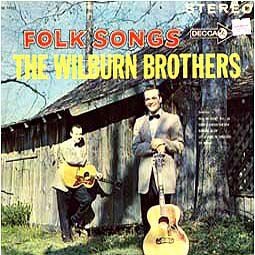
 View Artist