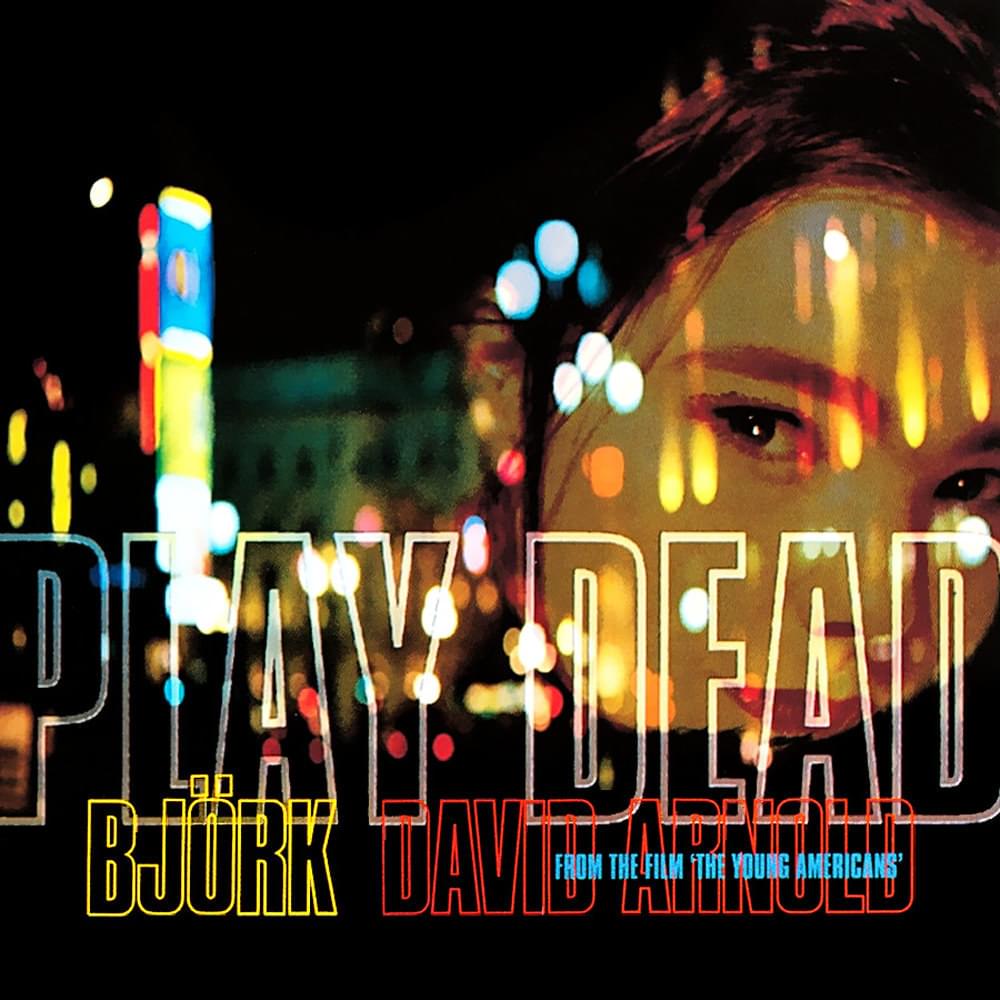
Song Meaning
This track paints a stark picture of emotional self-preservation through a radical act of withdrawal. The narrator is caught in a cycle of pain, rejecting external comfort that feels like a misunderstanding of their internal state. They declare a need to inhabit a desolate inner landscape, a place defined by its lack of connection and affection, explicitly naming it "hate" and "the city of fear." This isn't a passive resignation but an active choice to retreat into a space where the external world's attempts at solace are irrelevant.
The central tension arises from the narrator's seemingly paradoxical embrace of suffering as a means of survival. They describe "nestl[ing] into pain" and "hug[ging] suffering," suggesting a deep familiarity and even a perverse comfort found within their private "tortures." This isn't about seeking pleasure, but about finding a form of control by fully inhabiting the negative space, making it their own territory where external forces can no longer inflict new wounds.
The repeated phrase "I play dead" is the core of the song's strategy. It's a potent metaphor for emotional shutdown, a way to cease reacting and therefore cease feeling the sting of hurt. The lyrics suggest this is a deliberate defense mechanism, a way to stop the hurting by becoming unresponsive, akin to "sleeping." This active disengagement is presented as the only effective method for the narrator to cope with their environment and internal state.
Ultimately, the effectiveness of these lyrics lies in their unflinching portrayal of a coping mechanism that is both bleak and strangely empowering. By naming and embracing their pain, the narrator carves out a space of agency, even if that space is one of emotional desolation. The stark imagery and the relentless repetition of "I play dead" create a powerful, almost hypnotic effect, drawing the listener into the narrator's unique and desperate form of survival.