Song Meaning
The White Buffalo's “The Witch” isn’t about pointy hats and broomsticks; it's a brutal dissection of societal scapegoating, masked in playground chants. The repetitive "Ding dong, the witch is dead" refrain, reminiscent of childhood taunts, immediately casts a sinister light on the narrative. But who is this 'witch,' and what are her crimes? The lyrics hint at a teacher, one who "taught them hard, she taught them well," yet faced the relentless cruelty of children. This flips the script; the supposed villain is a figure of authority, possibly even a victim, targeted by the collective malice of youth. The song meaning deepens as we consider the idea of sacrifice; she "put them first, before herself," suggesting a dedication that was ultimately twisted and used against her. The 'spells' she cast were acts of selflessness, misconstrued and weaponized.
The chorus, with its chilling game of "Red, red rover," unveils the pack mentality at play. The children aren't just individuals; they're a unified force, determined to "break the line" and send the 'witch' to hell. This isn't about justice; it's about power and the thrill of collective destruction. The line "we're gonna slow her on down" suggests a deliberate, drawn-out torment, a desire to prolong the suffering. The song’s genius lies in its simplicity; the childish language and sing-song melody amplify the horror of the situation. It’s a stark reminder that cruelty often hides in plain sight, disguised as innocence.
Ultimately, "The Witch" resonates because it taps into primal fears about being an outsider, about being targeted by a group, and about the ease with which society can turn on those who are perceived as different or threatening. The final repetition of "Ding dong, the witch is dead" leaves a lingering unease, a sense that the cycle of scapegoating will continue, that the 'witch' is never truly dead, but simply reborn in a new form. The White Buffalo doesn't offer easy answers or moral judgments; instead, he forces us to confront the darkness within ourselves and the uncomfortable truths about how we treat those who don't fit in.
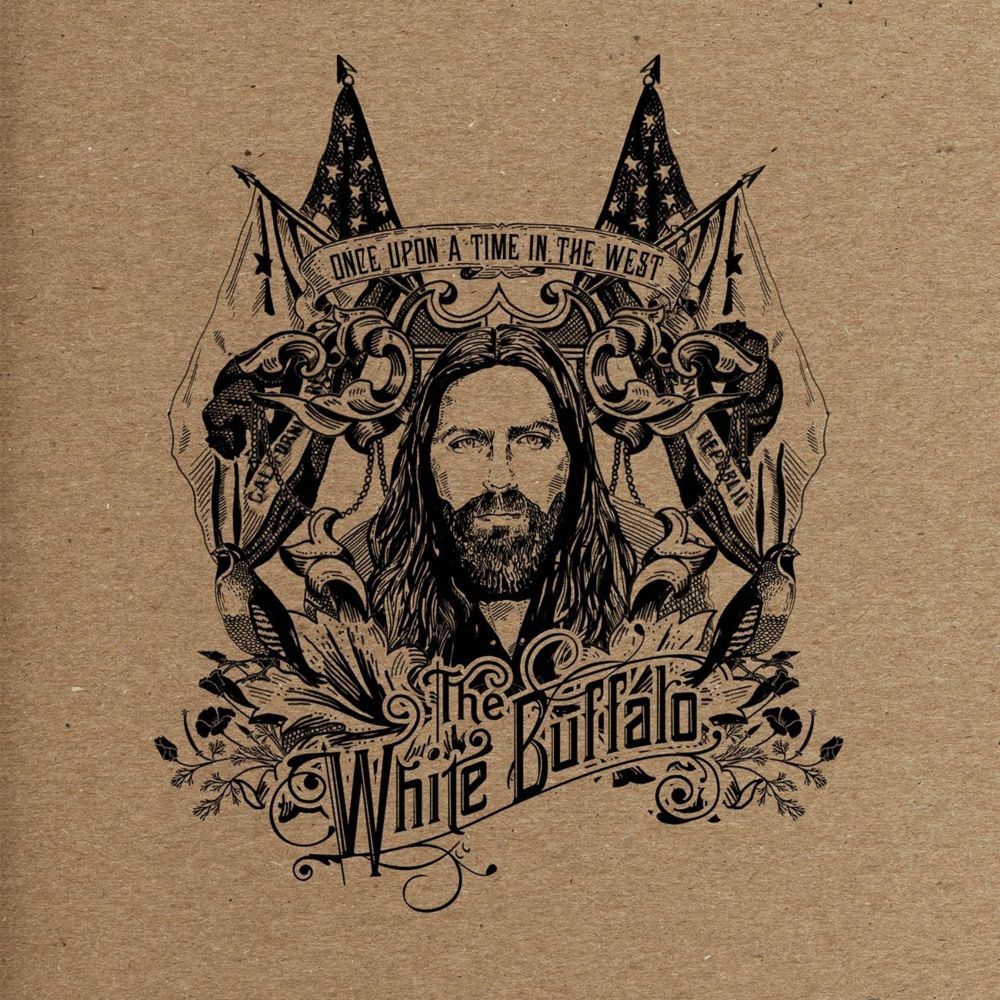
 View Artist