Song Meaning
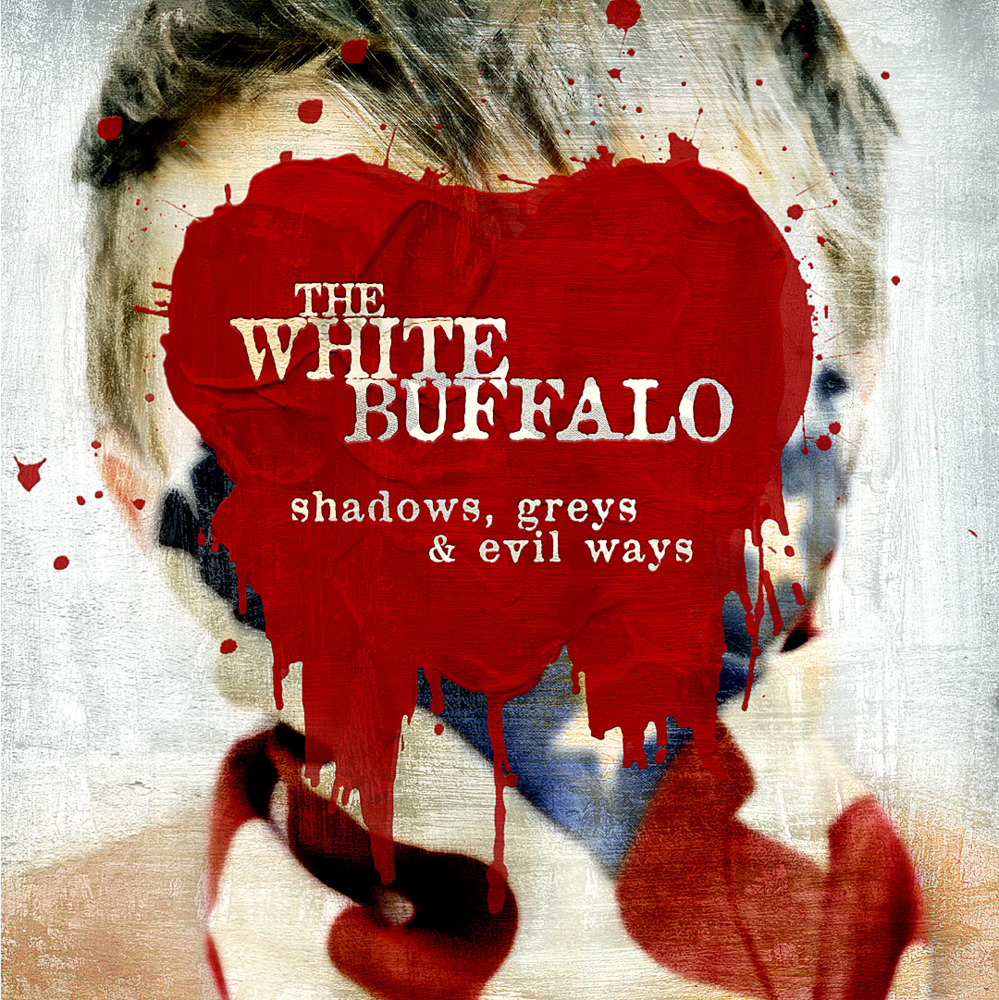
The White Buffalo's "The Whistler" isn't a casual tune for easy listening; it's a raw, visceral plunge into the psyche of a man wrestling with his darkest impulses. The song meaning hinges on this internal conflict, a desperate plea for control amidst a storm of anger and violent urges. He's trying to convince himself – and perhaps a higher power – that he's changed, that "this time is different." But the repetition of that line only underscores the fragility of his resolve. It's a promise whispered through gritted teeth, already cracking under the pressure. The 'whistler' seems to represent a descent into chaos, a persona fueled by alcohol and a devilish voice egging him on to embrace his destructive nature. The plea to "step aside, let the whistler through" is both a warning and an admission of defeat. He's no longer in control; he's a passenger in his own unraveling.
The lyrics paint a picture of a man teetering on the edge. The line "You better bless these wicked hands, because they got a mind of they own" is a chilling acknowledgment of his potential for violence, a dissociation from his own actions. It's not just anger; it's a sense of being possessed by something darker. The repeated warning, "Don't go downtown," takes on a menacing weight. It's not just a suggestion; it's a self-imposed boundary, a recognition that certain environments trigger his inner demons. Downtown becomes a symbolic space of temptation, a place where his control will surely shatter.
Ultimately, "The Whistler" is a haunting exploration of the struggle against one's own nature. There's a deep sense of fatalism in the lines "There really ain't no help at all for folks like me and you." It suggests a resignation to his fate, a belief that some are simply destined to succumb to their darker impulses. The White Buffalo doesn't offer easy answers or redemption; instead, he lays bare the brutal reality of a man trapped in a cycle of violence, desperately clinging to the hope that he can break free, even as he knows, deep down, that the whistler is always waiting to take over.
 View Artist