Song Meaning
"Modern Times," by The White Buffalo, is less a song and more a primal scream against the relentless churn of contemporary existence. It's a lament for a lost connection to something authentic, a visceral rejection of a world that feels increasingly alienating. The opening lines, "I don't know what age it is / Better hold up inside / I don't belong / In these modern times," establish a tone of profound displacement. It’s not just a dislike of the present; it's a fundamental inability to find a place within it. The singer is an outsider, a refugee from a past that's rapidly disappearing. This feeling of being lost in time is a common thread in modern anxieties, reflecting the speed of technological and social change.
The lyrics then shift to a more pointed critique of societal forces. Lines like, "You can't gentrify the soul of a nation," suggest a deeper concern about the homogenization of culture and the corrosive effects of corporate power. There's a sense of spiritual emptiness, highlighted by the line, "Can't find the Lord / He's shaking hands with big brother." This isn't necessarily a literal religious statement, but rather a metaphor for the perceived corruption of traditional values and the unholy alliance between power and control. The call to "bathe in the water of your mind's mutilation" is a particularly bleak image, suggesting that the relentless assault of modern life is actively damaging our capacity for independent thought and emotional well-being.
The final verses paint a picture of environmental degradation and existential dread. References to "oaks and the sage in the fields of gold" evoke a nostalgic image of a natural world that's under threat. The singer is trapped "in the maze in the mold," unable to find a guiding light. The fading "fire in my eyes" symbolizes a loss of hope and purpose. Ultimately, "Modern Times" is a powerful expression of disillusionment and a yearning for something more meaningful in an age of rapid change and perceived spiritual decay. It's a sentiment that resonates deeply with anyone who feels overwhelmed by the complexities and contradictions of the 21st century.
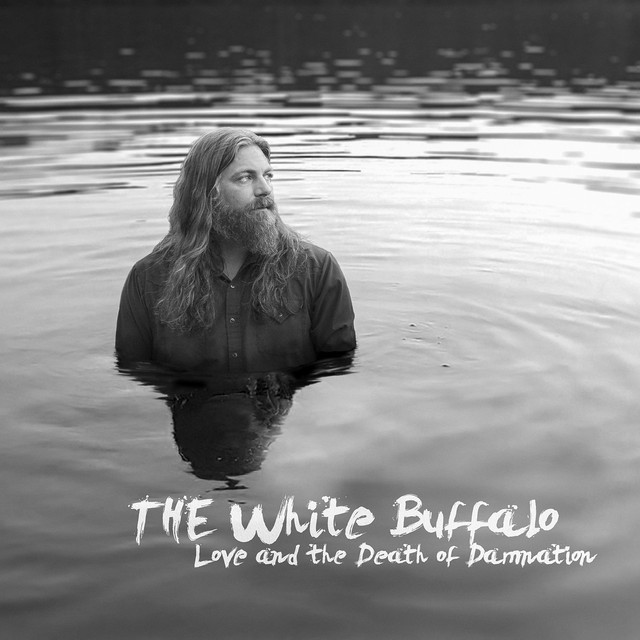
 View Artist