Song Meaning
The lyrics paint a picture of an almost aggressively positive summer, so much so that the phrase "not one bummer" becomes a mantra. This repetition hammers home a deliberate choice to focus on the good, to actively reject any negativity that might intrude on this "beautiful summer." It's a conscious effort to curate an experience, to hold onto a feeling of pure, unadulterated joy.
This intense focus on positivity creates an underlying tension. The narrator is "taking it easy," but also "waiting on winter to come." This suggests a temporary state, a conscious decision to enjoy the present while acknowledging that colder, perhaps less pleasant, times are inevitable. The summer's perfection feels almost fragile, a bubble waiting to be popped by the changing seasons.
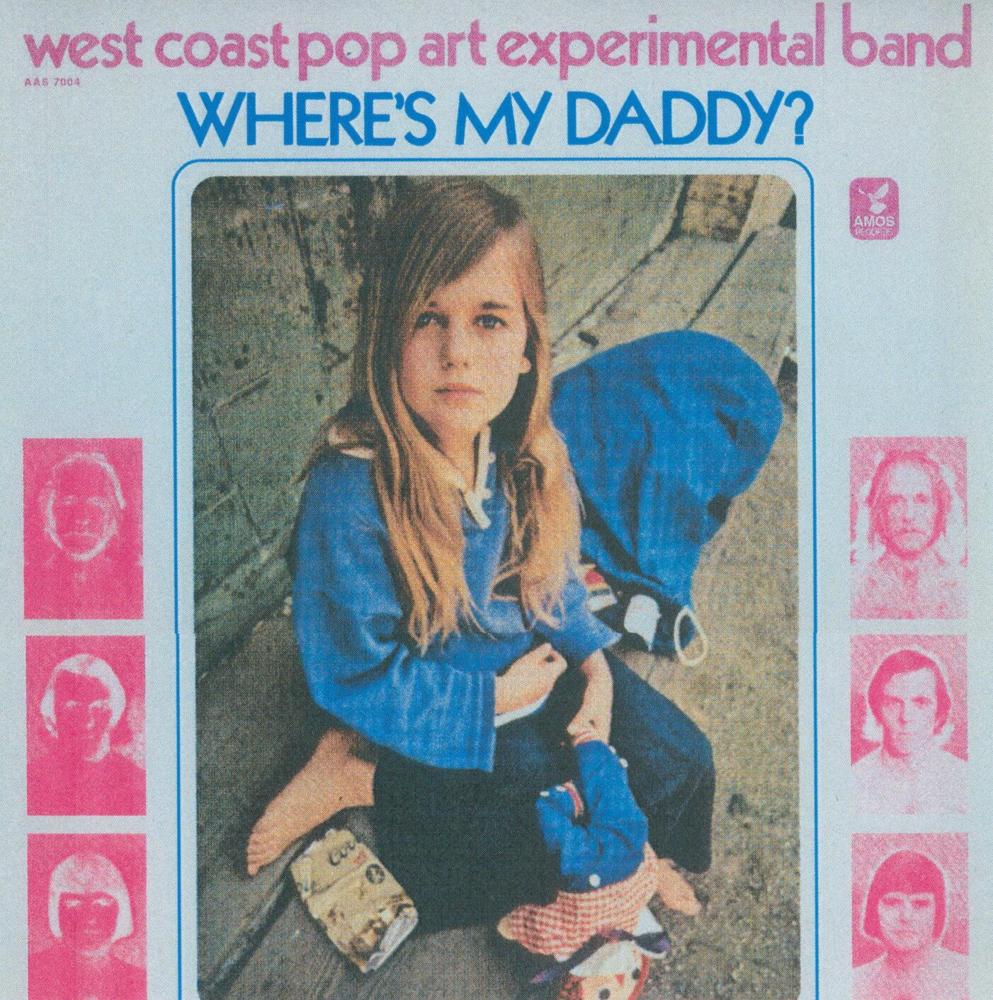
The bridge introduces a jarring contrast, shifting from the personal, sun-drenched idyll to external observations. The "paperman" whose business thrives on bad news highlights the world's inherent negativity, a stark counterpoint to the narrator's chosen bliss. The image of a girl with a "blue velvet bag" is enigmatic, but it feels like another fleeting, perhaps melancholic, detail observed from this state of enforced ease.
Ultimately, the effectiveness of these lyrics lies in their stark simplicity and the deliberate, almost defiant, repetition. The insistence on "not one bummer" feels less like a statement of fact and more like a personal declaration, a way of willing a perfect summer into existence against the backdrop of a world that often offers the opposite.
 View Artist