Song Meaning
The lyrics paint a stark picture of a relationship crumbling under the weight of neglect and emotional abuse. The opening lines, urging someone to "wear something bright and turn away," suggest a forced performance or a desperate attempt to maintain appearances despite underlying turmoil. The narrator observes physical evidence of harm, noting "another bruise I didn't see," which immediately grounds the emotional distress in tangible reality.
The central tension arises from the disconnect between the harsh reality of the situation and a refusal to acknowledge its severity. The repeated refrain, "This isn't T.V., he isn't William Shatner," directly confronts a perceived escapism or denial. It implies that the person being addressed is treating a real-life crisis as if it were a fictional drama, perhaps one where problems are easily resolved or where characters are less vulnerable. This highlights a desperate plea for recognition of the actual pain involved.
The most striking craft element is the specific invocation of William Shatner. This isn't just a generic TV reference; it evokes a certain kind of dramatic, perhaps over-the-top, but ultimately fictionalized portrayal of life. By contrasting this with the grim reality of bruises and a partner who looks "pale and thin," the lyrics underscore the danger of mistaking a curated, televised narrative for lived experience. The suggestion to "Wave down the bus and let's be rid of him" offers a concrete, albeit desperate, escape route from this damaging dynamic.
Ultimately, the effectiveness of these lyrics lies in their sharp, almost clinical observation of emotional neglect and the psychological coping mechanisms that allow it to persist. The contrast between the mundane (T.V., buses) and the severe (bruises, paleness) creates a disquieting atmosphere. The repeated, insistent chorus acts as a wake-up call, a desperate attempt to break through a self-imposed or externally enforced delusion and confront the painful truth of the relationship.
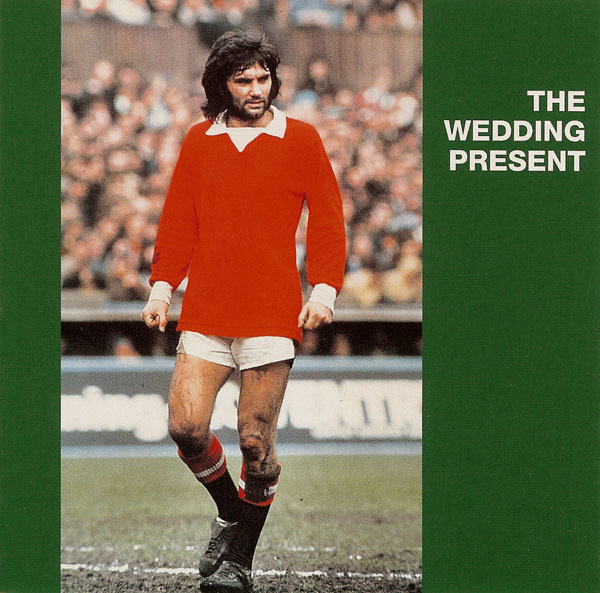
 View Artist