Song Meaning
The lyrics paint a picture of a tense confrontation, fueled by suspicion and a desperate need for answers. The narrator calls, knowing the other person is home but not picking up, immediately establishing a sense of frustration and being ignored. There's a clear focus on a third party, "him," suggesting a romantic entanglement or betrayal that's at the heart of the narrator's distress. The dominant tone is accusatory, laced with a bitter resignation that the narrator is being deliberately kept in the dark.
The central tension revolves around a past event that the narrator believes the other person is downplaying or lying about. Phrases like "you're not getting out that way" and "you're just as much to blame" point to a shared responsibility or complicity that the narrator feels is being ignored. The repeated question, "Why didn't you just say no?" acts as a refrain, highlighting the perceived failure to prevent the situation in the first place, regardless of whether it "didn't mean a thing" or if apologies are offered.
One striking detail is the mention of a "razor" left on the shelf, which the narrator intends to "throw it out myself." This object, seemingly innocuous, carries a heavy implication. It could represent a lingering presence, a dangerous element, or a tangible piece of evidence of the other person's actions. The narrator's impulse to remove it suggests a desire to cleanse the space and perhaps erase the memory or consequence of what has happened.
Ultimately, the effectiveness of these lyrics lies in their raw, direct confrontation and the specific, unsettling imagery. The narrator isn't just hurt; they're actively seeking accountability, even if it means forcing an uncomfortable truth. The unresolved questions and the palpable sense of betrayal make the plea "Why didn't you just say no?" land with a potent mix of anger and deep disappointment.
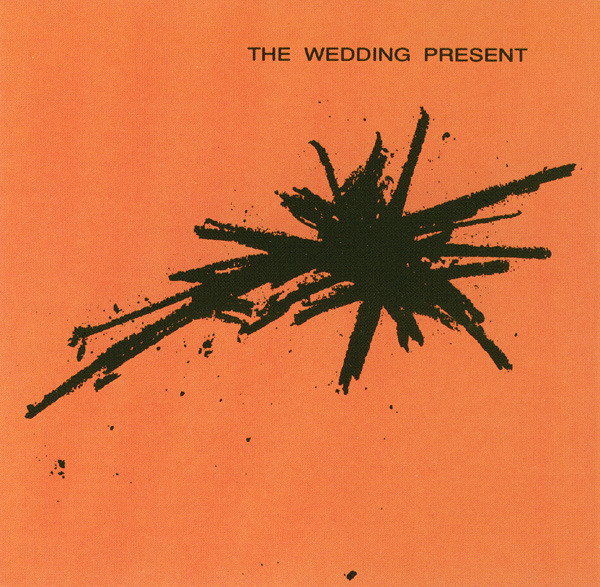
 View Artist