Song Meaning
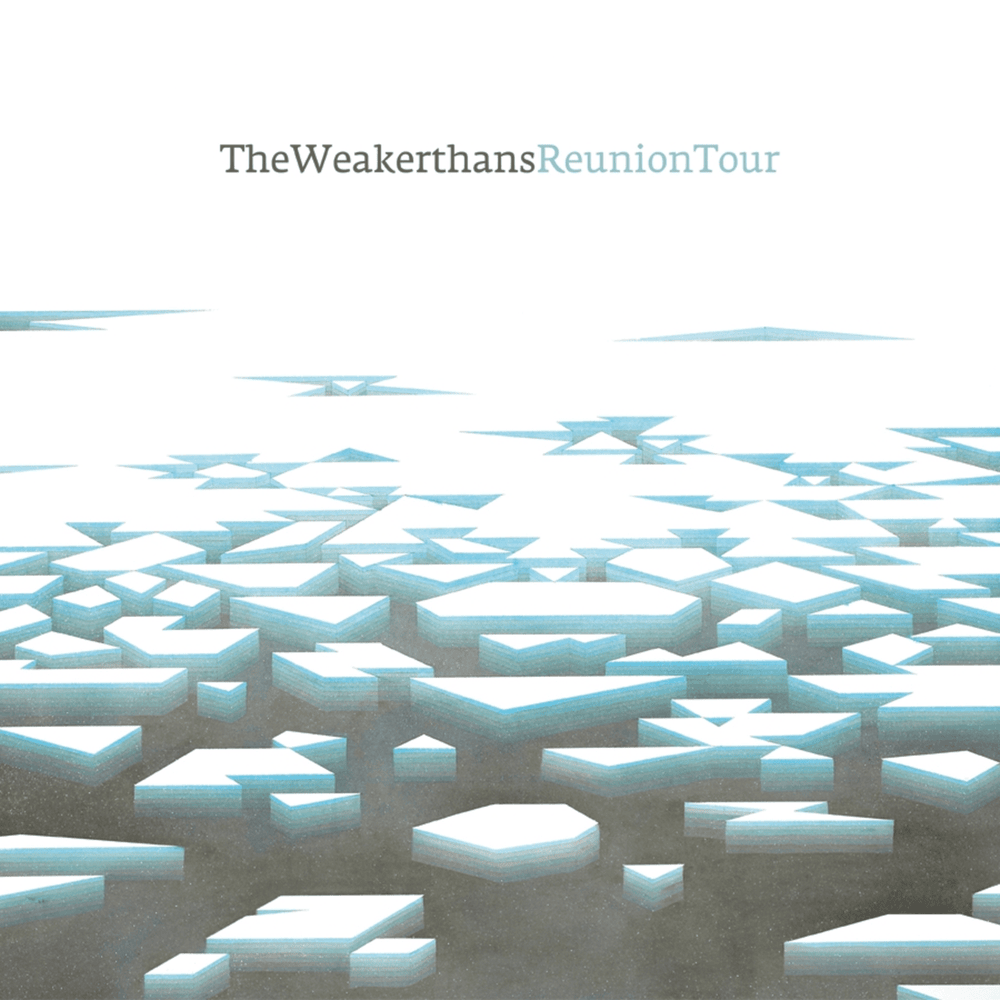
The lyrics paint a picture of someone meticulously preparing for an event, patching holes and oiling squeaks, all under a peculiar "diabetic moon." This sets a tone of strained effort and an unsettling, almost sickly atmosphere. The narrator is waiting to guide "TV crews" across treacherous "creaking ice," a task that seems fraught with danger and the potential for disaster, especially as "the news is howling to the timber wolves." This suggests a high-stakes, possibly dangerous, public demonstration or expedition.
The central tension arises from the narrator's internal struggle versus external skepticism. They anticipate "doubtful smiles" from the TV crews, indicating a lack of belief in whatever they are trying to prove or show. Yet, the narrator asserts, "the visions that I see believe in me," creating a stark contrast between their own conviction and the perceived disbelief of others. This internal validation is crucial, even as they prepare to face external judgment and potential ridicule.
The most striking craft element is the juxtaposition of mundane maintenance with the extraordinary claim of seeing visions. The act of "chang[ing] the oils and oiled the squeaks" grounds the narrative in practical, almost mundane, labor. This is immediately contrasted with the surreal "diabetic moon" and the narrator's internal conviction that "visions that I see believe in me." The lyrics also employ a sense of impending doom with "creaking ice" and "howling" news, amplifying the pressure on the narrator's solitary belief.
This writing is effective because it captures the isolating experience of holding a belief that others dismiss. The meticulous preparation, the ominous setting, and the anticipated skepticism all build a palpable sense of anxiety. The narrator's insistence that their "visions" believe in them, despite the external doubt, highlights a desperate need for validation and a profound sense of being misunderstood. It’s this internal fortitude against external doubt that makes the narrative compelling.
 View Artist