Song Meaning
The lyrics paint a picture of a relationship marked by a cycle of departure and return, leaving the narrator in a state of emotional whiplash. Initially, the narrator describes being abandoned, left "on my own," a period characterized by deep sadness and betrayal, evidenced by "I cried and I cried" and the pain of knowing "that you lied." This initial abandonment seems to have been a significant emotional blow, leaving the narrator isolated.
However, the narrative takes a sharp turn with the return of the other person, bringing "your love" back into the narrator's life. This return isn't met with immediate joy or relief, but rather a peculiar reaction: "This time, I laughed since you left me on my own." This laughter, appearing multiple times, suggests a complex emotional response to the recurring pattern of being left and then found again. It's not necessarily a laugh of pure happiness, but perhaps one tinged with disbelief, irony, or even a dark amusement at the predictable, yet still impactful, nature of the situation.
The most striking aspect of the writing is this recurring, almost defiant laughter in the face of past hurt. The repetition of "left me on my own" underscores the consistent theme of abandonment, yet the narrator's response evolves from crying to laughing. This shift highlights a coping mechanism, a way of processing the pain and instability of the relationship by finding a strange humor in its cyclical nature. The lyrics suggest that while the hurt was real, the narrator has found a way to reframe the experience, perhaps as a way to reclaim some power or simply to endure the emotional rollercoaster.
Ultimately, the effectiveness of these lyrics lies in their raw portrayal of emotional resilience, albeit a somewhat unconventional kind. The contrast between the deep sorrow of being left and the subsequent laughter upon return creates a compelling tension. It’s this unexpected emotional pivot, grounded in the simple, repeated phrases, that makes the narrator's experience feel both specific and strangely resonant, capturing the bewildering ways people adapt to recurring heartbreak.
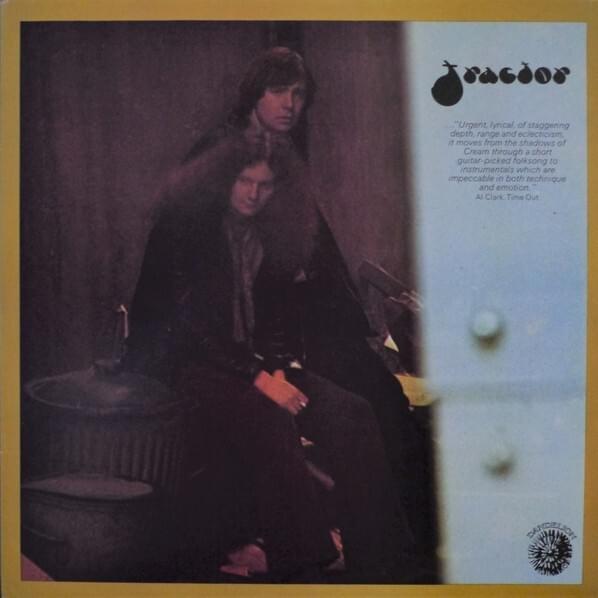
 View Artist