Song Meaning
The lyrics paint a stark picture of internal turmoil, where a pervasive sense of terror seems to mirror the narrator's soul. This isn't a sudden shock, but a slow erosion, a "fading time" where the narrator's own perception has "gone" without them even noticing. The dominant emotional tone is one of resignation and a deep-seated avoidance of harsh realities.
This avoidance is the central tension. The narrator admits, "I would rather hear a lie / Than to finally see all of this eye to eye." The truth, it seems, is too much to bear, a burden of knowledge that feels overwhelming. This leads to a feeling of being stuck, unable to move forward or away from the current, painful state of being, even though they "have to stay" because "there's no other place for now."
The most striking element is the paradoxical embrace of "Friend and foe." This phrase encapsulates the narrator's complex relationship with their current circumstances. The very things that drag them down are also, in a twisted way, familiar and constant, forming a strange sort of companionship. This duality suggests a deep-seated comfort in the known misery, a reluctance to let go even of the negative.
The effectiveness of these lyrics lies in their raw honesty about self-deception and the paralyzing nature of overwhelming truth. The shift from the narrator's isolation – where "no one knows my name" and "no one can hear me when I sing" – to the observation of the birds, who "know" and can "hear you sing," offers a glimmer of external awareness. This contrast highlights the narrator's internal struggle and the desperate, perhaps unattainable, desire for connection and recognition, even if it's just the birds that seem to understand.
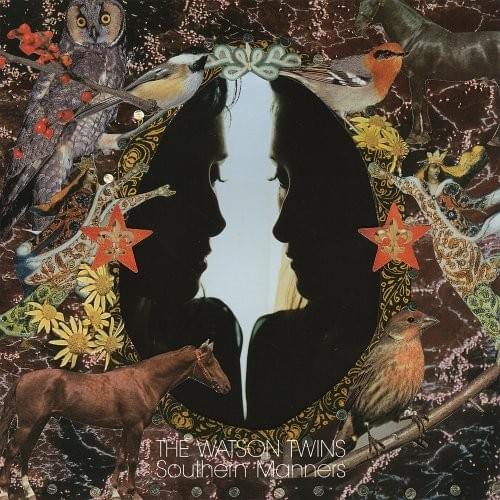
 View Artist