Return to Roppongi Hills
Song Meaning
The lyrics present a stark, almost clinical observation of a scene devoid of human interaction. The repeated mention of "empty rooms" and the absence of "anybody" establishes a profound sense of desolation. The imagery leans towards the sterile and impersonal, with "white walls" and "fluorescent lights" contributing to an atmosphere that feels more like an abandoned institution than a place of habitation. This emptiness isn't just physical; it suggests an emotional void. The narrator seems to be cataloging a space that once held presence but is now defined by its lack. The phrase "no one here" is repeated, hammering home the isolation. It’s a quiet kind of despair, a resignation to a state of being utterly alone within a structure that should, by its nature, contain life. The most striking aspect is the deliberate lack of narrative or emotional commentary from the narrator. They are an observer, a recorder of absence. The focus on the physical details – the "white walls," the "fluorescent lights" – serves to amplify the emotional hollowness by contrasting the tangible environment with the intangible lack of human connection. It’s a powerful depiction of solitude achieved through meticulous description of what isn't there. Ultimately, the effectiveness of these lyrics lies in their minimalist approach. By stripping away any explicit emotional expression, the narrator allows the sheer emptiness of the described scene to speak for itself. The listener is left to feel the weight of the silence and the profound isolation implied by the sterile, unoccupied environment. The lack of any human element makes the "empty rooms" resonate with a chilling sense of finality.
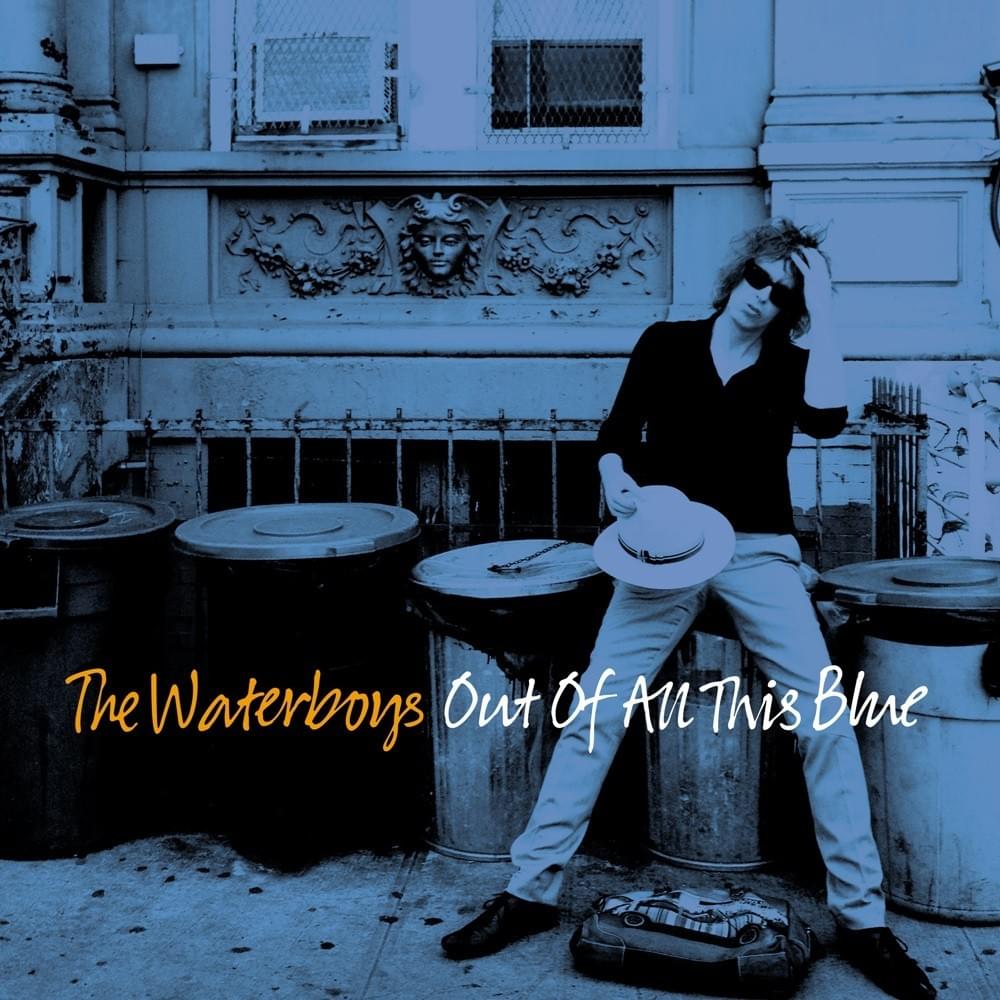
 View Artist
Lyrics
[Instrumental]
Rate this song
0/5.0 - 0 Ratings
Loading comments...
Credits
- Writers
- Mike Scott (SCO)