Song Meaning
The lyrics paint a portrait of a striking, enigmatic figure named Johnny, remembered with a mix of awe and distance. The opening lines establish her as someone who arrived late but made a significant impact, her distinctive "shoes like a ballerina" hinting at a graceful yet perhaps performative existence. The narrator recalls Johnny's pivotal decision: "Change or to be changed," a stark choice that suggests a struggle for agency against external forces trying to define her.
The central tension revolves around Johnny's fierce independence and her profound weariness with existence. Described as "Black as hell and white as a ghost," she embodies a powerful paradox, suggesting a complex inner life or a persona that defies easy categorization. Her declaration, "I've had enough of both" (life and death), is a chilling statement of existential fatigue, yet it's juxtaposed with an unshakeable fearlessness: "She was not scared." This defiance, even when facing potential destruction, underscores her formidable spirit.
The most compelling craft element is the imagery of Johnny's departure and its aftermath. Her impulsive boarding of "the train" with "no looking back" signifies a decisive break, a flight from whatever constraints held her. The narrator is left with only the lingering "noise, the jazz," and the unsettling realization that "truth is in somebody else's hands." This contrasts sharply with the enduring legacy of "the house that a girl called Johnny built," which has tragically crumbled into "ashes and sand," highlighting the ephemeral nature of even the most impactful lives and creations.
What makes these lyrics resonate is the potent blend of vivid, almost mythic imagery and raw emotional honesty. Johnny is presented not just as a person but as an archetype of defiant self-creation and profound disillusionment. The narrator's fragmented memories and the stark contrast between Johnny's powerful presence and the desolate state of her legacy evoke a sense of loss and the enduring mystery of a life lived intensely but ultimately consumed by its own struggles.
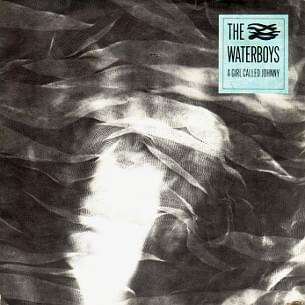
 View Artist