Song Meaning
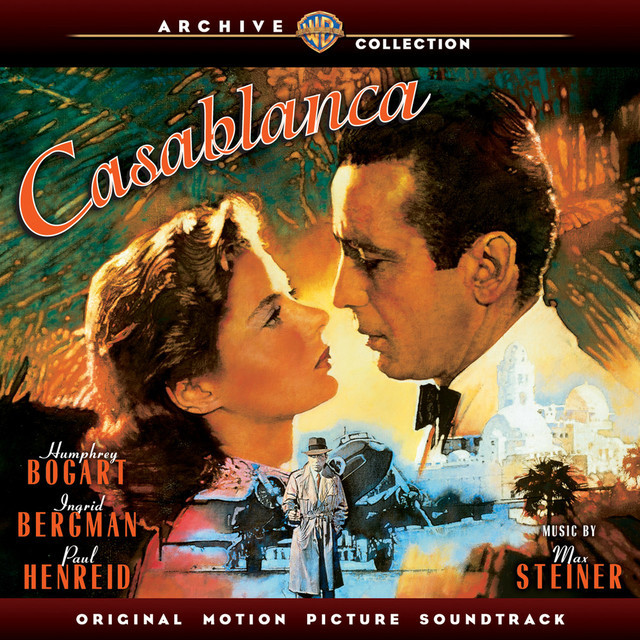
This medley feels like a disorienting, fragmented memory, piecing together disparate moments and emotions. The abrupt shifts in title suggest a narrative that’s less a linear story and more a collage of intense experiences, perhaps tied to a specific, tumultuous historical period. The inclusion of national anthems alongside more personal-sounding titles like "Ilsa Returns" and "Telephone" creates a striking contrast between the grand sweep of history and intimate human drama.
The dominant emotional tone seems to be one of urgency and perhaps desperation, suggested by titles like "Orders" and "Die Wacht Am Rhein" (The Watch on the Rhine), a German military song. This is juxtaposed with moments of potential reunion or return, as in "Ilsa Returns," and the mundane reality of "Telephone." The rapid succession of these elements implies a life lived under immense pressure, where personal moments are constantly interrupted or overshadowed by larger, more imposing forces.
The most compelling aspect of this medley’s construction is its deliberate fragmentation. It’s not a smooth transition but a jarring assembly, forcing the listener to confront the abruptness of change and the way different realities can collide. The inclusion of "Deutschland Uber Alles" and "La Marseillaise" side-by-side, for instance, hints at conflict and opposing loyalties, amplified by the seemingly personal "Ilsa Returns" and the functional "Orders."
Ultimately, the medley’s power lies in its evocation of a chaotic internal landscape. It mirrors how memory can work, not as a clean recollection, but as a series of intense flashes and emotional echoes. The listener is left with a sense of unresolved tension, a feeling that these fragments represent a profound, perhaps traumatic, experience that defies simple narrative resolution.
 View Artist