Song Meaning
The lyrics paint a vivid picture of emerging from a prolonged period of hardship and doubt. The narrator has endured enough struggle to recognize the definitive shift towards positivity. This isn't a tentative hope; it's a hard-won certainty, articulated through a series of contrasts between past suffering and present triumph. The core message is about the undeniable clarity of finally finding peace and success after extensive tribulation.
The central tension lies in the narrator's accumulated experience of negativity, which paradoxically grants them the insight to recognize genuine happiness. Phrases like "goin' wrong long enough" and "walkin' in the dark long enough" establish the depth of their past struggles. This extensive negative experience serves as the very foundation for their current, unshakeable belief in their good fortune. It’s the contrast between the "tears" and "this feelin' called a smile" that truly highlights this transformation.
The most striking lyrical device is the repeated assertion, "And even a blind man can tell / When he's walkin' in the sun." This powerful metaphor emphasizes the obviousness and irrefutability of their current state of well-being. It suggests that the joy and success are so palpable, so overwhelming, that they transcend even the most significant sensory limitations. The image of the "wind is at my back" further reinforces this sense of effortless forward momentum and good fortune.
These lyrics resonate because they articulate a universal human experience: the profound relief and clarity that comes after overcoming significant challenges. The writing grounds this feeling in concrete, relatable experiences of loss and struggle, making the eventual arrival of good times feel earned and deeply satisfying. The narrator’s newfound perspective, born from extensive hardship, makes the present joy not just a fleeting moment but a fundamental, undeniable truth.
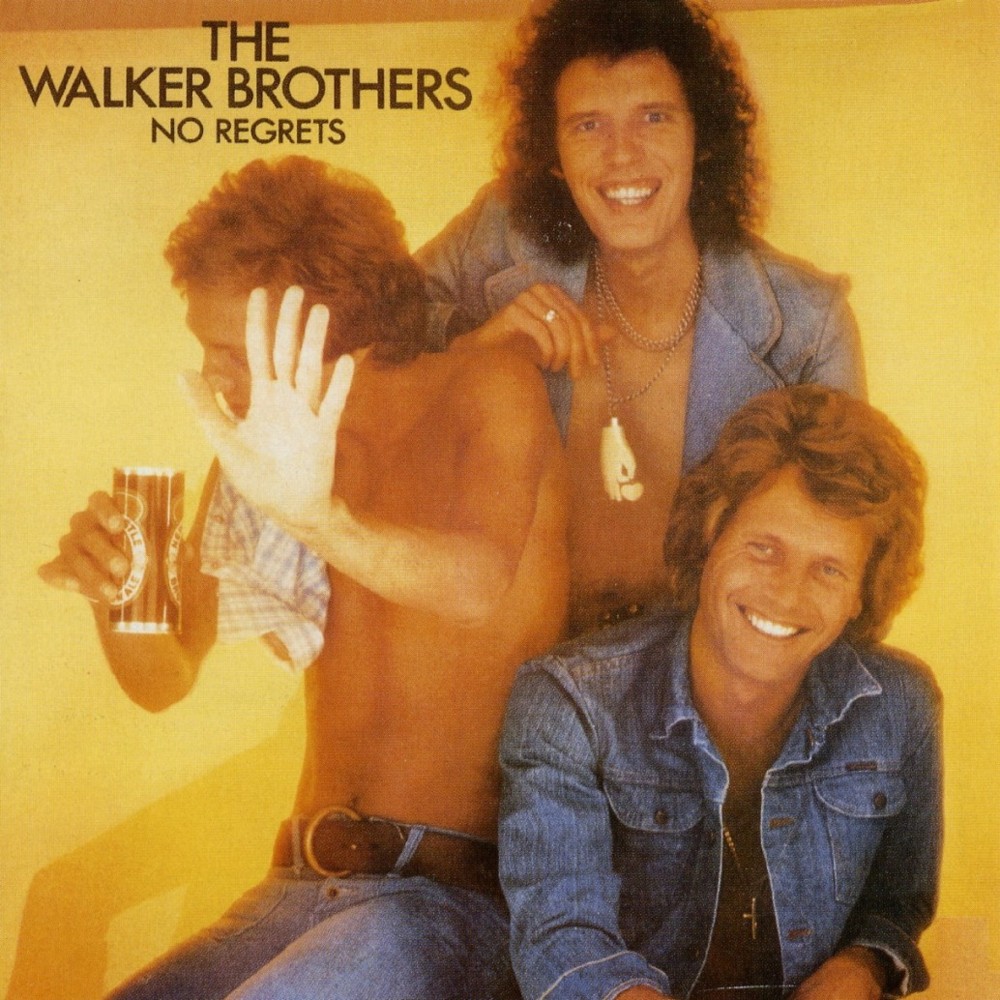
 View Artist