Song Meaning
The lyrics paint a vivid picture of a fleeting summer romance, anchored by the simple, poignant image of buying forget-me-nots. The narrator recalls a specific moment, a small flower shop, and a deliberate, almost understated choice of flowers – 'all you'd let me buy you.' This detail suggests a delicate balance, perhaps a hint of the ephemeral nature of their connection even in its prime. The contrast between the bright, hopeful summer and the subsequent, colder seasons immediately sets a melancholic tone.
The core tension lies in the stark juxtaposition of past joy and present absence. The narrator remembers a time of uninhibited happiness, 'laughed the happy afternoon away' and 'stole a kiss in every street café.' This idyllic past is amplified by the narrator's feeling of immense pride, comparing it to receiving the 'key to Paris.' However, this vibrant memory is now overshadowed by the passage of time, marked by 'another wintertime has come and gone.'
The most striking craft element is the repetition of the phrase 'Once upon a summertime,' framing the entire narrative like a fairy tale, but one with a bittersweet ending. The recurring image of the pigeons, initially part of a lively 'happy afternoon,' now serves as a marker of absence; they 'have flown' just as the love has. This cyclical structure, moving from summer's bloom to winter's emptiness, emphasizes the irretrievable nature of the past.
Ultimately, the lyrics resonate because they capture the universal ache of remembering a perfect moment that can never be recaptured. The specific details – the flower store, the kisses, the pigeons – ground the emotion, making the narrator's longing palpable. The gentle, almost wistful tone, combined with the clear contrast between then and now, creates a powerful sense of loss for a love that existed 'once upon a summertime.'
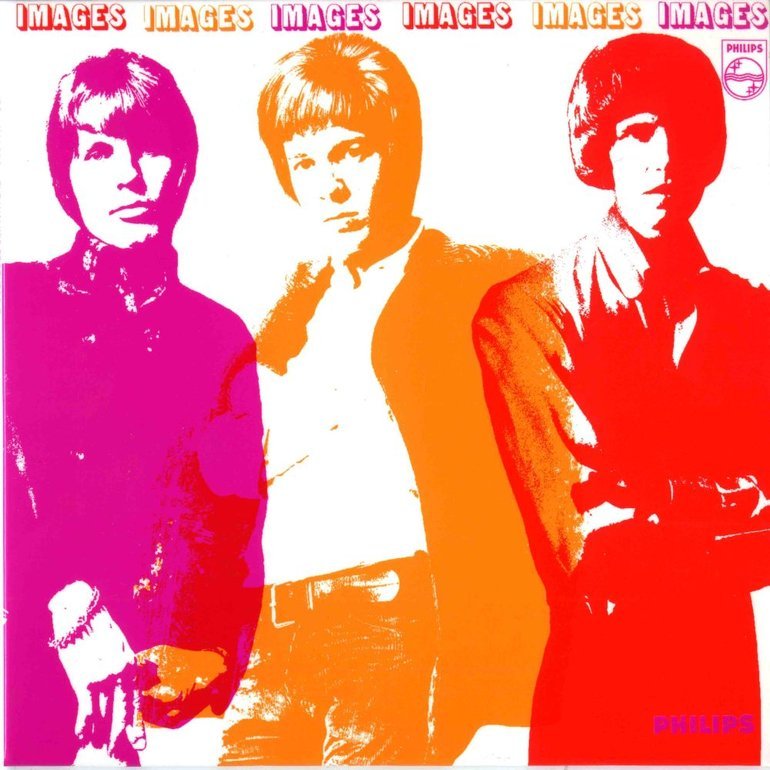
 View Artist