Song Meaning
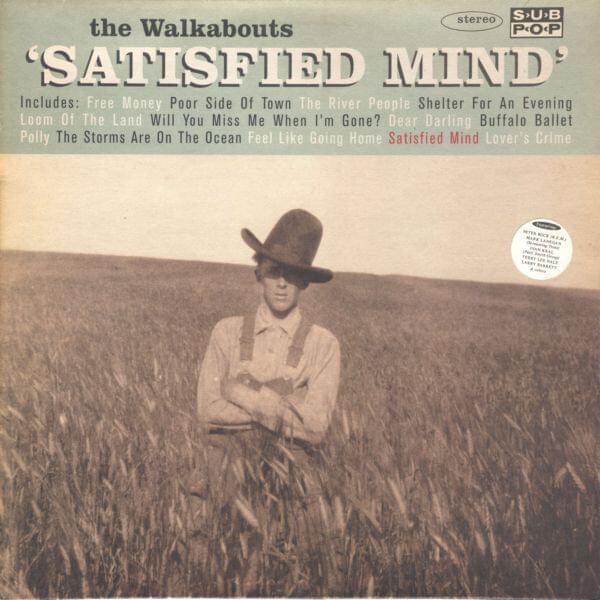
The narrator arrives at a doorstep in a state of desperate, almost animalistic distress, "howling like a banshee." This raw, primal image immediately establishes a tone of extreme vulnerability and fear, painting a picture of someone utterly lost and exposed to the elements, both literal and metaphorical. The plea is direct and urgent: "Won't you give me home for the night." It's a raw, unvarnished cry for immediate refuge from a storm of personal crisis.
The core tension lies in the narrator's self-inflicted predicament and their desperate need for temporary solace. They admit, "I got no one to blame but me," acknowledging personal responsibility for their current state. Yet, this admission doesn't negate the overwhelming need for a "shelter for an evening, shelter for the rain." The request is explicitly temporary, "Just for tonight, you'll never see me again," highlighting a desire for escape without consequence or lasting entanglement.
The lyrics powerfully convey a sense of self-destruction and resignation. The repeated phrase, "I can't stop, no, I can't stop," suggests an addiction or a destructive pattern of behavior that the narrator feels powerless to break. This internal struggle culminates in a chilling detachment: "it's getting to the point where I don't care / Just who or what you're sleeping with." This line reveals a profound level of despair, where jealousy or possessiveness has been eclipsed by a desperate need for any form of comfort, even if it means ignoring potential betrayal.
This song hits hard because it captures a specific, agonizing moment of rock bottom. The raw imagery of the "banshee" and the stark admission of self-blame, juxtaposed with the simple, desperate plea for a "shelter for an evening," creates a potent emotional cocktail. The narrator isn't asking for redemption, just a brief respite from the "shit" that's "killin' me," making their vulnerability feel both profound and tragically self-made.
 View Artist